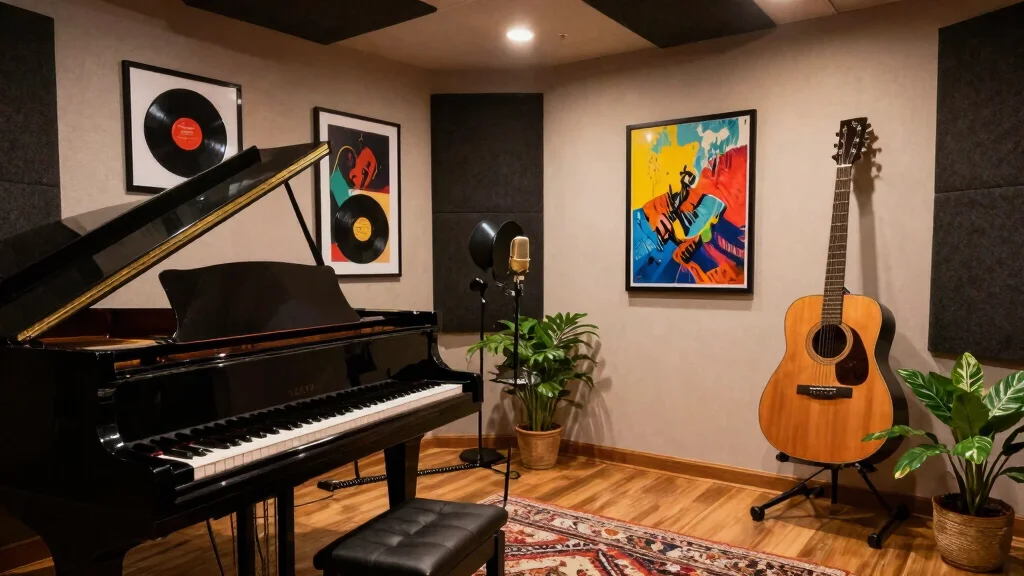
Creating the perfect basement music studio has never been more appealing. The demand for quality soundproofing and a creative workspace is on the rise, especially for home recording artists looking to amplify their passion. You might be craving that ideal spot where you can experiment with sounds and record music without disturbing the peace of your household—or, let’s face it, the neighbors. This post is crafted just for you: the DIY enthusiast, the music lover, and the aspiring artist who wants to transform their basement into a soundproof haven.
If you’re keen on turning your basement into a music studio, you’re in the right place. This guide is filled with 12 practical ideas to optimize your space for recording and creativity. From soundproofing techniques to home studio design tips, we cover everything you need to know to create a studio that inspires you to unleash your musical talents. Whether you’re a seasoned pro or just getting started, these tips will help you craft a space that’s functional, inviting, and personal to you.
Get ready to dive into a world of creative workspace ideas that bring your vision to life! You’ll discover how to embrace acoustic panels, create cozy listening areas, and even optimize your studio’s layout. Each idea is designed to enhance your basement music studio’s aesthetics and functionality, ensuring you have everything you need to focus on what you love most: making music.
Key Takeaways
– Explore Soundproofing Techniques: Learn effective methods to minimize noise and create a quiet recording environment, making your basement studio a soundproof sanctuary.
– Maximize Your Space with Multi-Purpose Furniture: Discover how versatile furniture can create a cozy and functional area for both work and relaxation in your music studio.
– Utilize Acoustic Treatments: Find out which acoustic panels and materials can enhance sound quality, ensuring your recordings are professional and crisp.
– Personalize Your Studio: Get tips on incorporating art and personal touches that reflect your style, making your studio feel uniquely yours.
– Invest in Quality Sound Equipment: Understand the importance of quality gear and how it can significantly improve your music production experience.
Recommended Products
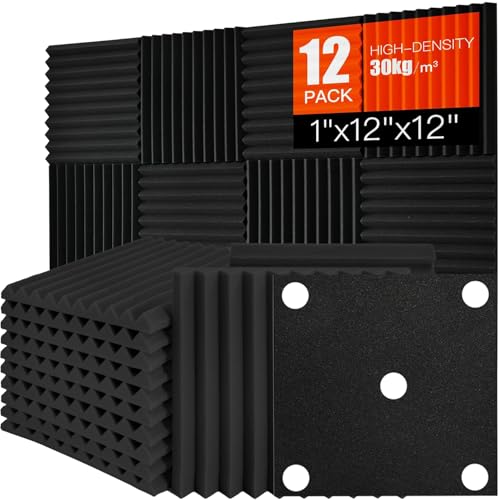
Professional Sound Absorption for Studios and Podcast Spaces - High-density acoustic foam panels and sound absorbing panels are designed to manage reflections and reduce echo in studios, podcast rooms, vocal booths, and YouTube content creation spaces, delivering clearer and more controlled audio without structural soundproofing.

Exceptional Sound Absorption:These pyramid acoustic panels are engineered to effectively absorb sound waves, reducing echo and reverberation. With a high NRC (Noise Reduction Coefficient), they create a quieter, more acoustically balanced environment, ideal for recording studios, home theaters, and offices.

【Excellent noise reduction】Triple Sound Insulation,foldable Microphone Isolation with reflective layer+filter layer+absorbing layer.the high-density acoustic foam that eliminates audio wave bounces back and interference effectively.The reflection area and the absorption area reduce noise from external environments,works well to reduce ambient sound.
1. Embrace Acoustic Panels for Professional Sound
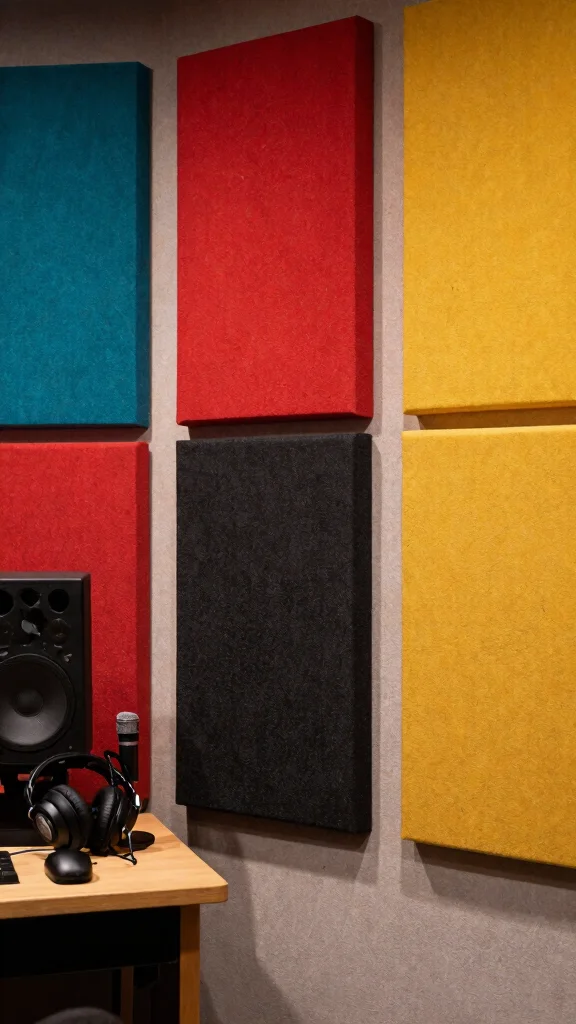
Acoustic panels are a game changer for any basement music studio. They absorb soundwaves and reduce echoes, creating a clear and balanced audio environment. By placing them thoughtfully on walls and ceilings, you can transform your space into a professional-grade recording haven.
To make the most of these panels, consider budget-friendly options like DIY fabric-covered versions. You can also mix different thicknesses to achieve the best sound absorption. This not only improves sound quality but also adds a stylish element to your studio’s design.
Consider these tips to enhance your acoustic setup:
– Pair bass traps in corners to minimize low-frequency noise.
– Install panels at various heights for maximum effectiveness.
– Use colorful fabrics to match your studio’s theme.
Incorporating these treatments elevates your sound quality while enhancing the overall aesthetic of your creative space.
Recommended Products

EXCELLENT ACOUSTIC TREATMENT- High-density and large area coverage of our acoustic wall panels effectively reduce echoes, reverberations, and vibrations, resulting in clearer sound and improved listening experience

Easy Installation with Self-Adhesive Backing: Our sound proof foam panels for walls come with a self-adhesive backing, making them easy to install without the need for tape or additional adhesives. Save time and hassle with our innovative design.

【Unique Design of Wedge Surface】These Acoustic Foam Panels are designed as a unique triangle, which can not only absorb unnecessary sound, but also play a role in decorating the wall surface. Performs well in absorbing and eliminating unwanted echoes, flutter echoes, standing waves, reverb. You can harness it to create the optimal environment for music recording or peaceful work.
Embrace Acoustic Panels for Professional Sound
Editor’s Choice

SoundAssured Acoustical Fabric – Acoustically Transparent Fabric for Mak…
 Amazon$21.95
Acoustimac Low Frequency Bass Trap DMD 4′ x 2′ x 4″ WHITE
Amazon$118.95
Focusound 52 Pack Acoustic Foam Panels 1″ x 12″ x 12″ Sound Proof Foam P…
Amazon$36.992. Create a Cozy Listening Area
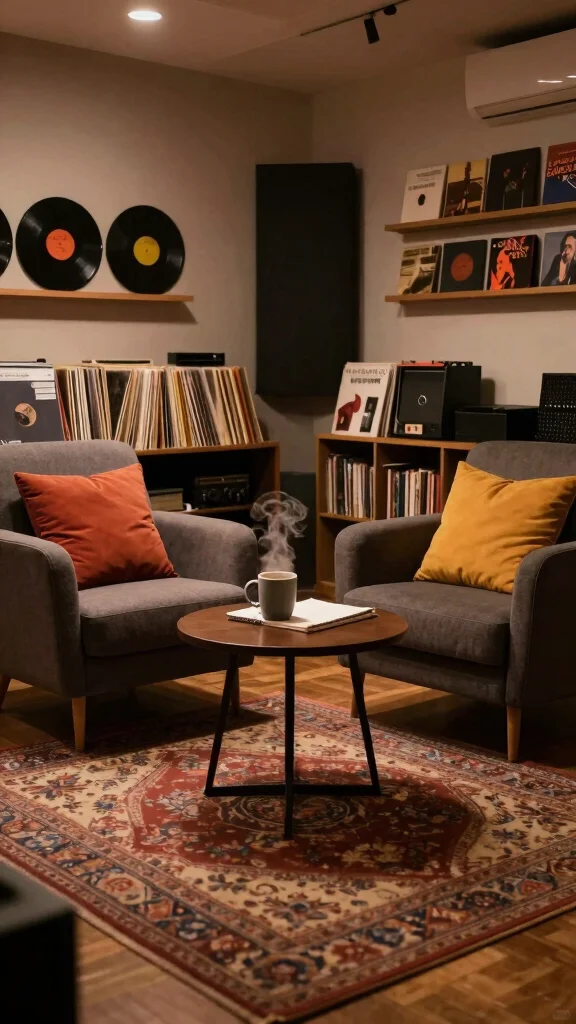
Designing a cozy listening area within your basement music studio can significantly enhance your creative process. A comfortable nook with plush seating allows you to enjoy your mixes and compositions for long periods without discomfort. It’s all about creating an inviting atmosphere that keeps you inspired.
To make this space both cozy and functional, select ergonomic chairs that support you during extended sessions. Adding side tables can provide a perfect spot for drinks and notes. Consider using soft rugs to define the area and improve acoustics.
Here are some design ideas:
– Choose comfy chairs that encourage relaxation.
– Add side tables for snacks and notepads.
– Use rugs to enhance sound quality and comfort.
A well-designed listening nook not only provides a sanctuary for comfort but also helps you focus on your musical creations.
Recommended Products

Acoustic Principle- Bass Trap is a kind of sound absorbing structure specially used to absorb specific low-frequency standing wave. It is a special acoustic processing device installed in the corner and ceiling. It is perfectly good for improving the low frequency response, eliminating or delaying the standing wave, making the sound much clearer, and improving the quality of sound system.

【SPECIFICATION】: Dimensions - 4 X 4 X 12 inches, pack of 12; Light Weight - 0.07 lbs per panel; Material - Thick and high density polyurethane; Color - Black; Special Design - Periodic structure enhances both functionality and aesthetics

ACOUSTIC PRINCIPLE: The Bass Trap is a specialized sound-absorbing construction designed to tackle specific low-frequency standing waves. Positioned strategically in corners and on ceilings, it serves as an essential acoustic enhancement device. By effectively improving low-frequency response, it either eradicates or delays standing waves, resulting in significantly clearer audio and an overall upgrade to your sound system's quality.
Create a Cozy Listening Area
Editor’s Choice

Office Star DC Series Adjustable Drafting Chair with Foot Ring and Sculp…
Amazon$161.99
2 Pack 70 x 39 Inches Rug Backing Non Slip Backing Cloth Antislip Tuftin…
Amazon$23.993. Use Multi-Purpose Furniture
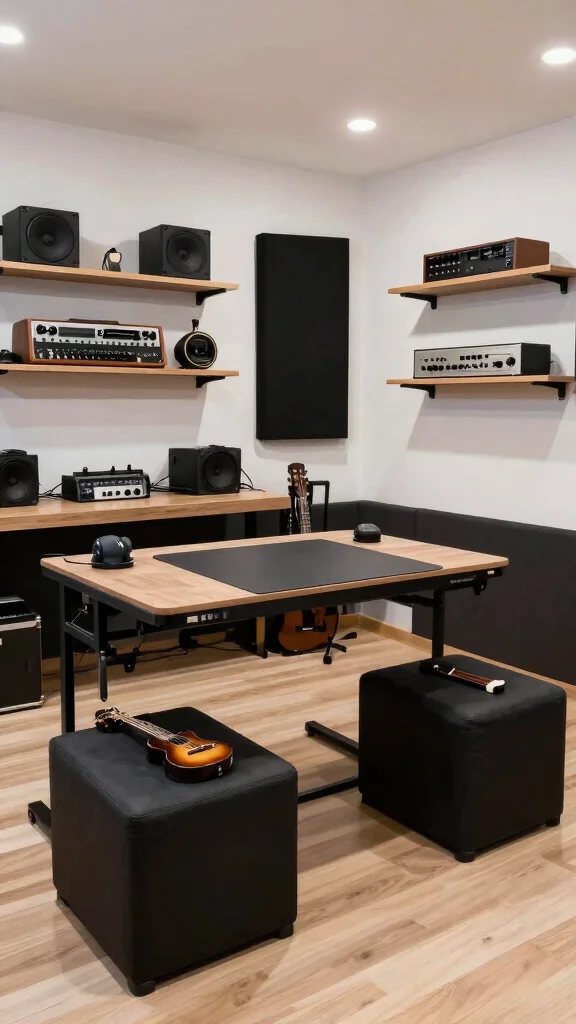
In a basement music studio, maximizing space is essential, and multi-purpose furniture is your best friend. This approach lets you utilize every inch effectively, ensuring your studio stays organized and functional. With the right pieces, you can keep your creative space inspiring without clutter.
Look for furniture that serves multiple functions, like a fold-out desk for recording that can be hidden away when not in use. Storage ottomans can double as seating and hide away instruments or gear. Shelves can display both musical items and personal decor.
Consider these smart furniture choices:
– Install a fold-out desk for flexible use.
– Choose storage ottomans for extra seating and gear storage.
– Use shelves to showcase your gear and décor.
Finding furniture that blends utility with style ensures your studio remains a clutter-free haven for creativity.
Recommended Products

Easy Installation with Self-Adhesive Backing: Say goodbye to the hassle of searching for tape ,Our soundproof foam panels come with a self-adhesive backing, installation is a breeze to install without the need for tape or additional adhesives.

The sound-absorbing foam brick has beautiful appearance and good sound-absorbing performance. Its biggest feature is: because the wavy triangle shape spreads very little, it makes your voice more dynamic.

EXCELLENT SOUND ABSORPTION: Our wedge sound absorbing panels combines the dual functions of efficient sound absorption and wall decoration. It can minimize noise, echo and reverberation to the greatest extent, making it an ideal choice for creating a music recording space with pure sound quality or for focusing on a quiet working environment
Use Multi-Purpose Furniture
Editor’s Choice

DUMOS 43in Foldable Storage Ottoman Bench, Storage Chest, End of Bed Foo…
Amazon$29.97
Huuger Folding Desk with Storage Shelf, 31.5 Inch Foldable Computer Tabl…
Amazon$59.99
71″ H Garage Shelving 5-Tier Heavy Duty Storage Shelves, Tool-Free Adjus…
Amazon$39.984. Consider a Portable Recording Booth
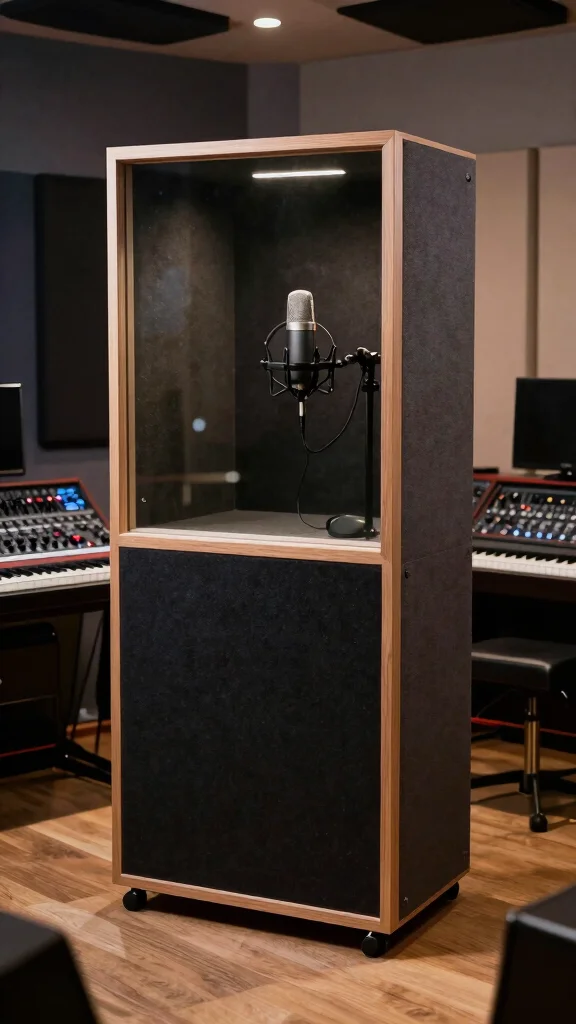
A portable recording booth is an excellent addition to your basement music studio, offering a controlled environment for high-quality recordings. These booths are designed to minimize background noise, making them perfect for capturing vocals without interruptions.
Look for booths that are easy to set up and can be relocated around your studio. Many include built-in soundproofing materials for enhanced isolation, ensuring your creativity flows without distractions. This investment can make a significant difference in your recordings.
Explore the advantages:
– Set up a portable booth for flexible recording options.
– Move it easily to different studio locations.
– Choose one with built-in soundproofing for better isolation.
Adding a portable booth creates a peaceful area where you can focus solely on your music.
Did you know portable recording booths can cut ambient noise by up to 30-40 dB? In a basement music studio, that means crisper vocals and fewer takes.
Recommended Products

Professional Sound Absorption for Studios and Podcast Spaces - High-density acoustic foam panels and sound absorbing panels are designed to manage reflections and reduce echo in studios, podcast rooms, vocal booths, and YouTube content creation spaces, delivering clearer and more controlled audio without structural soundproofing.

Professional studio level acoustic treatment, create a beautiful recording environment!
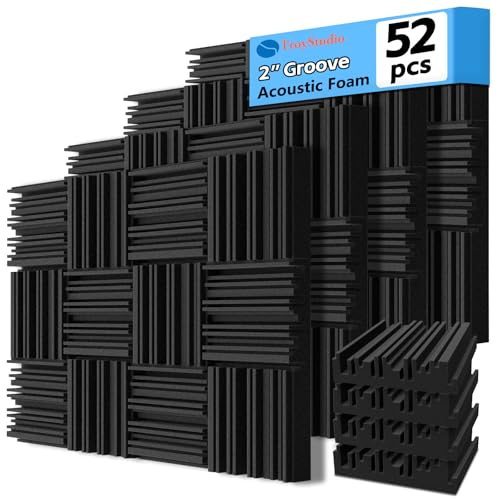
【SPECIFICATIONS】: Size - 12 X 12 X 2 inches, pack of 52; Coverage - 52 square feet; Weight - 0.12 lbs per panel; Material - Thick and high density polyurethane; Design - Periodic groove structure enhances both functionality and aesthetics
How To Choose The Right Soundproofing Techniques for Your Basement Music Studio
When setting up your basement music studio, soundproofing is key to achieving the best sound quality. The right techniques will prevent noise leakage and ensure that your music sounds great both inside and outside the space. Here are some essential criteria to consider when choosing soundproofing techniques for your creative workspace.
1. Material Type
Different materials have varying soundproofing abilities. Consider using acoustic panels, foam tiles, or heavy curtains. Acoustic panels absorb sound waves, while foam tiles can dampen noise. Heavy curtains can block sound from entering or leaving the room. Look for materials specifically designed for sound absorption to achieve the best results.
2. Room Size and Shape
The dimensions of your basement will influence how you soundproof it. Larger rooms may require more soundproofing materials to effectively manage noise. If your space has irregular shapes, consider using additional corner bass traps or wall treatments to prevent sound waves from bouncing around. Measure your room and visualize where soundproofing will be most effective.
3. Budget Considerations
Soundproofing can vary in cost, so it’s important to set a budget. Acoustic panels can range from affordable DIY options to higher-end professional products. Determine what you can afford while still ensuring quality. Remember, investing in soundproofing will enhance your studio’s overall functionality, making it a worthwhile expense.
4. Installation Effort
Some soundproofing techniques require professional installation, while others can be done as DIY projects. If you’re handy, you might want to try installing acoustic panels or foam yourself. For complex installations like soundproof drywall, hiring a contractor may be beneficial. Consider your skill level and available time when deciding which methods to use.
5. Desired Sound Quality
Think about the type of recordings you plan to make. If you’re focused on vocals, you’ll want to prioritize sound absorption materials that minimize echo and reverberation. For instrument recording, you may need a mix of absorption and diffusion to create a balanced sound. Tailor your soundproofing choices based on your specific audio needs.
6. Aesthetic Appeal
While functionality is key, the look of your soundproofing materials matters too. Choose colors and designs that complement your studio’s overall theme. Acoustic panels come in various styles, allowing you to add a personal touch while ensuring sound quality. A well-designed studio can boost your creativity and inspire your work.
Pro Tip: Always test your soundproofing methods! Use a simple sound level meter app to see how effective your techniques are. Make adjustments as needed to create the perfect environment for your music creation.
Choosing the right soundproofing techniques is crucial for any basement music studio. By considering material types, room size, budget, installation effort, desired sound quality, and aesthetics, you’ll create a space that not only sounds good but also inspires creativity.
Recommended Products

Purpose-Built for Trihedral Ceiling Corners – Designed for the three-surface junction where two walls meet the ceiling, placing deep porous foam at a common low-frequency buildup point.

Upgraded Density: Our bass traps now have an updated density 30 kg/m^3 to help eliminate low-frequency sounds created by speakers when you are podcasting, practicing a musical instrument, watching movies, or creating music to improve the purity of sound.

【SPECIFICATION】: Dimensions - 4 X 4 X 12 inches, pack of 12; Light Weight - 0.07 lbs per panel; Material - Thick and high density polyurethane; Color - Black; Special Design - Interval structure enhances both functionality and aesthetics
Consider a Portable Recording Booth
Editor’s Choice

UMIACOUSTICS 4 PCS Acoustic Panels with Hanging Bracket, 2” Thick Fibe…
Amazon$98.99
Portable Recording Booth, Foldable with Travel Bag for Echo-Free Studio-…
Amazon$164.99
Professional Studio Recording Microphone Isolation Shield, Pop Filter,Hi…
Amazon$63.995. Lighting That Inspires Creativity
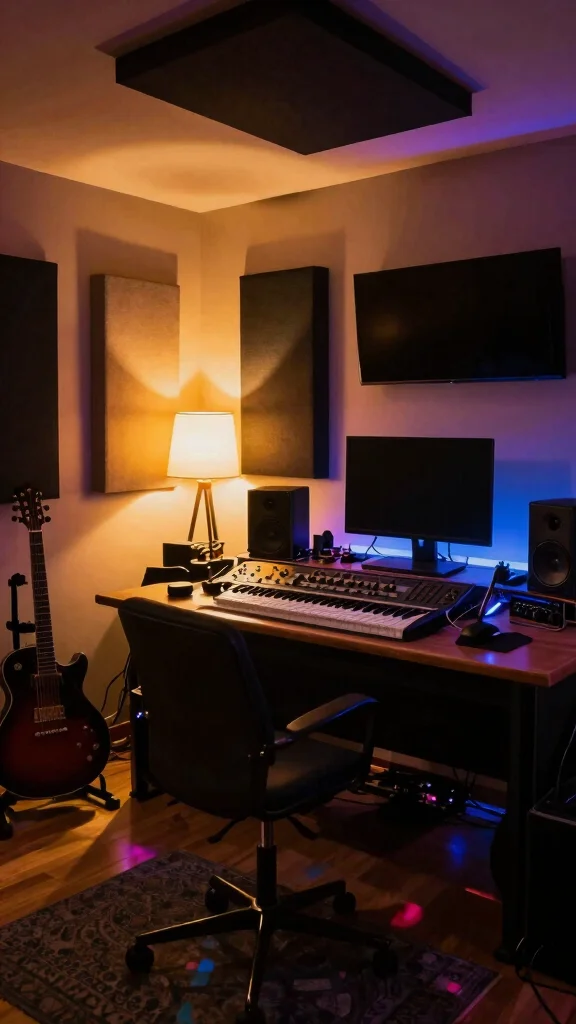
Lighting is vital for setting the right mood in your basement music studio. The right illumination can ignite creativity and keep you energized during long sessions. Thoughtful lighting design can significantly enhance your overall studio experience.
Combine ambient and task lighting for versatility, allowing you to adjust brightness as needed. Dimmable LED lights can create the perfect atmosphere, and colored lights can add a dynamic touch that resonates with your music style.
Consider these lighting ideas:
– Mix ambient lighting with task-focused options.
– Install dimmable LEDs to control brightness.
– Incorporate colored lights for a unique vibe.
Smart lighting choices not only improve functionality but also create an inspiring environment for your musical journey.
Fun fact: In a basement music studio, dimmable LED lighting can boost focus by up to 30% and keep you energized. Layer ambient and task lighting to unlock creative flow for longer sessions.
Recommended Products
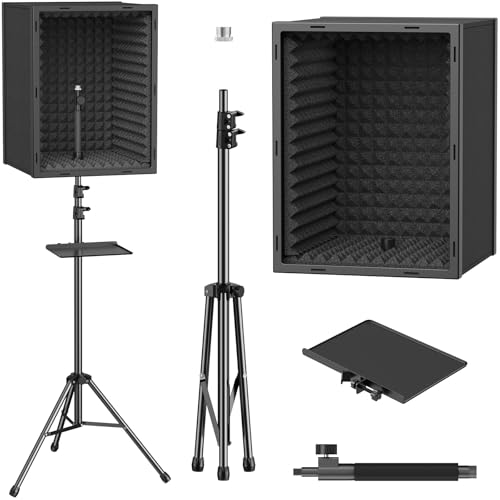
Sound Absorption & Isolation: This vocal booth features a box design combining five high-density foam and sound absorbing panel boards. This setup effectively eliminates echoes and reflections while reducing ambient noise. It prevents 96% of indoor reverb, producing a dry, clear sound to significantly improve your recording clarity

【BASIC INFO】: Inside size after setup: 8'' (L) X 10'' (W) X 12'' (H), large space for various studio equipment of any sizes; Exterior size: 12'' (L) X 12'' (W) X 16'' (H); Folded size: 12'' (L) X 12'' (W) X 6'' (H); Weight: 2 lbs; Equipped with holes for audio cables and mic stands【PORTABLE & FOLDABLE & SPACE-SAVING】: This studio booth is portable and foldable. It's light weight and ready-to-go. Just put in your suitcase and record wherever you are

REDUCES NOISE INTERFERENCE– The XTUGA Microphone isolation Shield has three layers that work in tandem to reduce noise while recording. It particularly relies on ⅗ reflectors with a triangular high density thickened sponge insulator material which reduces the propagation of interference sound waves and creates perfect recording conditions that result in sublime recordings
Lighting That Inspires Creativity
Editor’s Choice

KSIPZE 100ft Led Strip Lights RGB Music Sync Color Changing Led Lights w…
Amazon$9.99
Lepro LED Desk Lamp for Home Office, 9.5W 750LM Metal Touch Control Desk…
Amazon$21.99
Smart LED Floor Lamp with APP Control & RGB Colors – Dimmable Standing L…
Amazon$31.996. Personalize Your Studio with Art
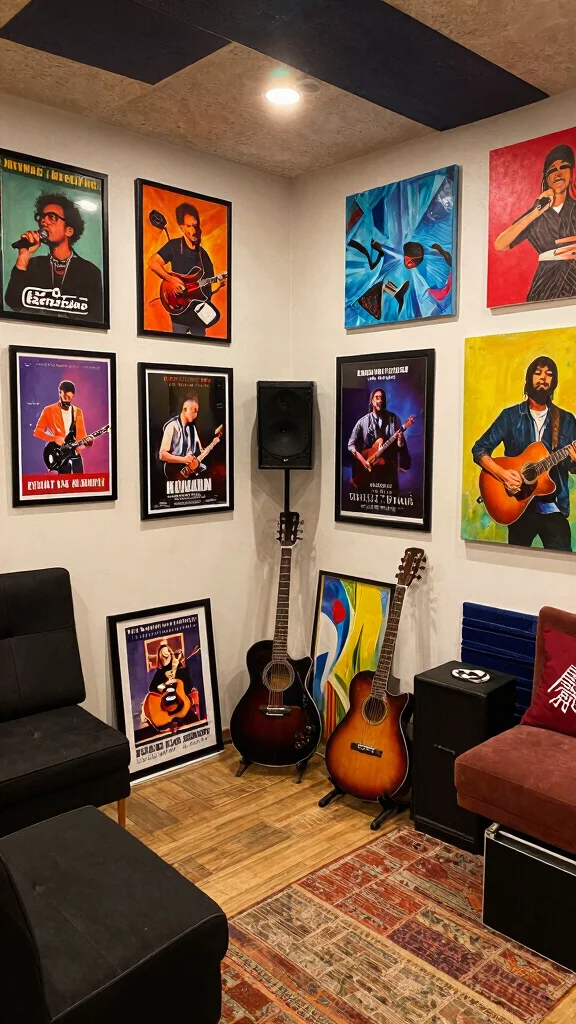
Art is a powerful way to express your creativity, so your basement music studio should reflect your unique style. Incorporating artwork that resonates with you can ignite inspiration and keep your creative juices flowing.
Display framed posters of your favorite musicians or albums, or showcase original artwork that embodies your personal aesthetic. DIY projects like painted canvases or lyrical wall decals can also bring a personal touch to your space.
Here are some artistic ideas:
– Hang framed posters of beloved artists or albums.
– Showcase original artwork that speaks to you.
– Use DIY projects for a personal touch.
Creating a personalized environment not only enhances your studio’s warmth but also deepens your connection to your music.
Recommended Products

The music recording studio desk and workstation is perfect for music producers and music lovers. You can assemble it through reading the product assembly guide attached or online video, simple to assemble.

MUSIC DESK DIMENSION - Overall Dimension: 47"L x 28"W x 38"H, Desk Top Dimension: 47"L x 18"D x 18mm T, Shelf Dimension: 47"L x 10"D x 18mm T, Keyboard Tray Dimension: 40"L x 16"D x 18mm T. Leg Space Dimension: 42"L x 20"D x 24"H, Back-Panel Dimension: 43" x 10" x 2, Caster Wheels Dimension: 2-Inch

Professional Studio Workstation, with extremely stable build using additional struts; Two integrated 3U racks for 19” equipment, center storage compartment for laptop, interface, etc.
Personalize Your Studio with Art
Editor’s Choice

GALLERY GRACE Metal Wall Art Decor – 11″ x 16″ Set of 4 Single Line Ab…
Amazon$36.99
Cholemy 36 Pcs Paint and Sip Kit for Adults 8”x10” Pre Drawn Canvas fo…
Amazon$33.99
BBTO Bible Verse Wall Stickers Inspirational Quote Wall Decals Religious…
Amazon$8.497. Invest in Quality Sound Equipment
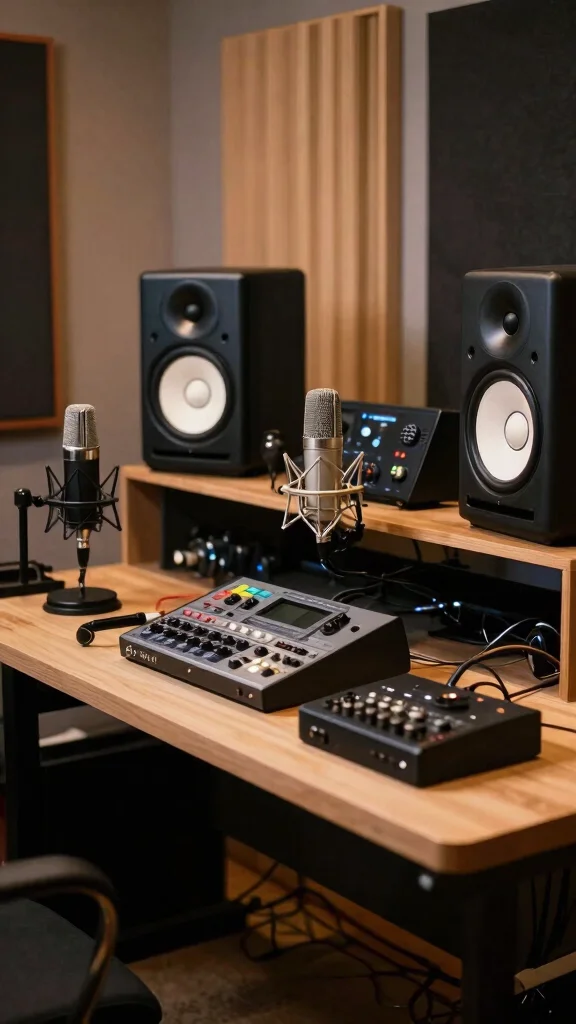
When it comes to a serious music studio, high-quality sound equipment is a must. Investing in the right tools enhances your recordings and overall creative experience. This investment pays off in both sound quality and your enjoyment of the creative process.
Consider getting professional-grade microphones suited to your vocal range, studio monitors for accurate playback, and a versatile audio interface to connect various instruments. Spending a bit more on quality gear ensures your recordings sound polished and professional.
Essential equipment includes:
– Select microphones tailored to your voice type.
– Use studio monitors for precise sound reproduction.
– Choose a multi-functional audio interface for versatility.
High-quality sound equipment transforms your studio into a rewarding creative space.
Fun fact: Investing in professional-grade mics and monitors can cut recording time by up to 30%. That’s a game changer for a basement music studio, speeding up setup and improving sound from day one.
Recommended Products

♪【The package contains】♪: Microphone Isolation Shield x 1, Metal Thread Adapter x 2 (Adapt most microphones), Adjustable Stand x 1 and instruction manual. (The height of the isolation shield can be adjusted freely) *NOTE: Microphone is NOT included.

The Original & Best Portable Vocal Booth — Snap Studio created the category. Pop-up recording space for singers, voiceover artists, podcasters and rappers — professional studio-quality sound at home.

【Cleaner Vocals In Ordinary Rooms】This portable recording booth helps reduce room reflections, flutter echo, and unwanted vocal bounce in bedrooms, apartments, offices, and temporary home studio spaces. The acoustic blanket enclosure creates a more controlled recording area for singers, podcasters, voice actors, and creators who need cleaner audio without building a fixed studio room.
Invest in Quality Sound Equipment
Editor’s Choice

RP5 Rokit 5 G4 Professional Bi-Amp 5″ Powered Studio Monitor Pair, Black
Amazon$369.00
Sennheiser Professional E 835 Dynamic Cardioid Vocal Microphone
Amazon$76.99
Scarlett 2i2 4th Gen USB Audio Interface for Recording, Songwriting, Str…
Amazon$224.998. Optimize Your Studio’s Layout
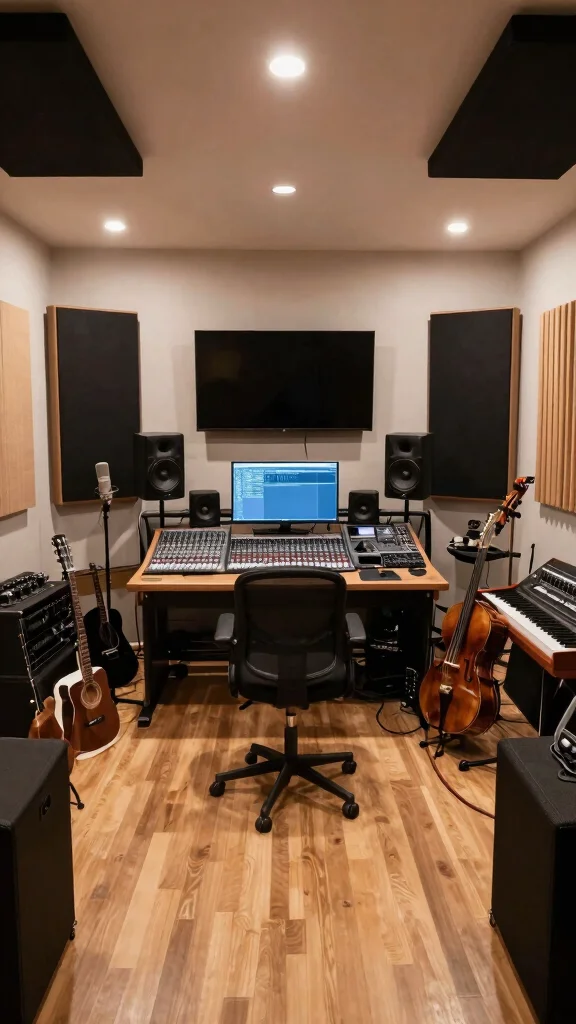
The layout of your basement music studio can greatly influence your workflow and comfort. A well-planned layout can enhance productivity and make accessing your tools effortless. This thoughtful arrangement allows you to focus on what matters most—making music.
Place your desk centrally to ensure easy access to all areas of the studio. Create defined zones for recording, mixing, and relaxation. Keeping frequently used equipment within arm’s reach streamlines your sessions and keeps you in the creative flow.
Consider these layout tips:
– Position your desk for easy access to all areas.
– Define zones for different activities.
– Keep essential equipment within reach for efficiency.
A carefully designed layout promotes a smoother creative process, allowing you to immerse yourself in your musical pursuits.
Optimize Your Studio’s Layout
Editor’s Choice
Focusound 52 Pack Acoustic Foam Panels 1″ x 12″ x 12″ Sound Proof Foam P…
Amazon$36.99
ErGear Height Adjustable Electric Standing Desk, 48 x 24 Inches Sit Stan…
Amazon$109.999. Incorporate Natural Elements
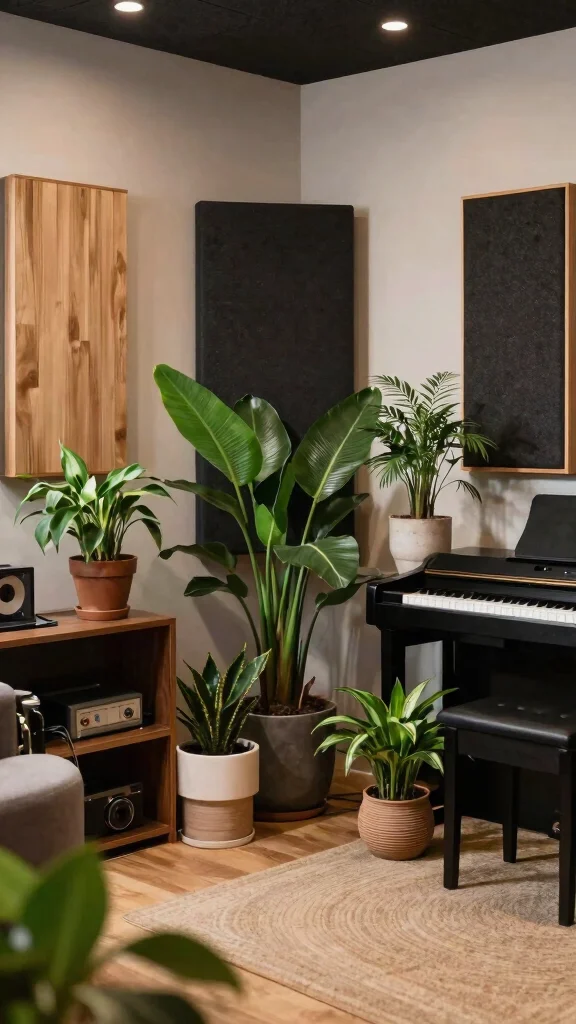
Integrating natural elements into your basement music studio can create a serene atmosphere and enhance air quality. Plants not only beautify your space but can also help absorb sound, making them a functional addition.
Consider using potted plants to add freshness, or create a vertical garden if space is tight. Natural materials like wood and stone can also enhance your decor while bringing a calming vibe to your studio.
Explore these natural decor ideas:
– Add potted plants for visual appeal and sound absorption.
– Try a vertical garden to save space.
– Incorporate wood and stone elements into your design.
Bringing nature indoors fosters a tranquil environment, making your studio a peaceful retreat for creativity.
Incorporate Natural Elements
Editor’s Choice

Acoustical Wall Panels, 6-Piece 23.62 X 23.62 Inches Art Acoustic Panels…
Amazon$129.99
Artificial Ficus Tree 6FT Artificial Plants Indoor Fake Ficus for Indoor…
Amazon$104.49
Gardyn Studio 1 Vertical Hydroponics Growing System Kit – 16 Non-GMO Pla…
Amazon$449.0010. Soundproof Your Space Effectively
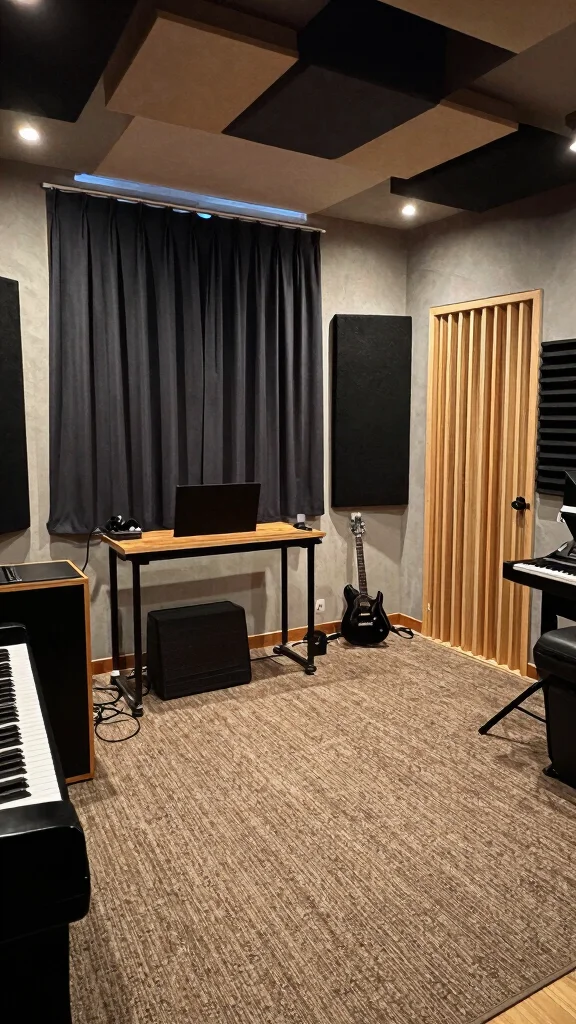
Creating a quiet, distraction-free environment is vital for your basement music studio. Effective soundproofing techniques prevent sound leakage and block external noise, allowing for clearer recordings and a more focused creative process.
Invest in heavy curtains or soundproof doors for added insulation. Sealing gaps in windows or walls minimizes noise infiltration, while installing dense carpets or rugs helps absorb sound further.
Utilize these soundproofing techniques:
– Hang heavy curtains for sound insulation.
– Seal gaps in walls and windows to block noise.
– Use thick carpets or rugs to absorb sound.
Implementing these strategies ensures your studio remains a sanctuary for creativity, free from outside disruptions.
Soundproof Your Space Effectively
Editor’s Choice
Focusound 52 Pack Acoustic Foam Panels 1″ x 12″ x 12″ Sound Proof Foam P…
Amazon$36.99
MAXTID Large Door Draft Stopper for Bottom of Doors 36” Under Door Swe…
Amazon$16.99
NICETOWN Grey Full Shade Curtain Panels, Pair of Energy Smart & Noise Bl…
Amazon$33.9911. Utilize Wall Space for Storage
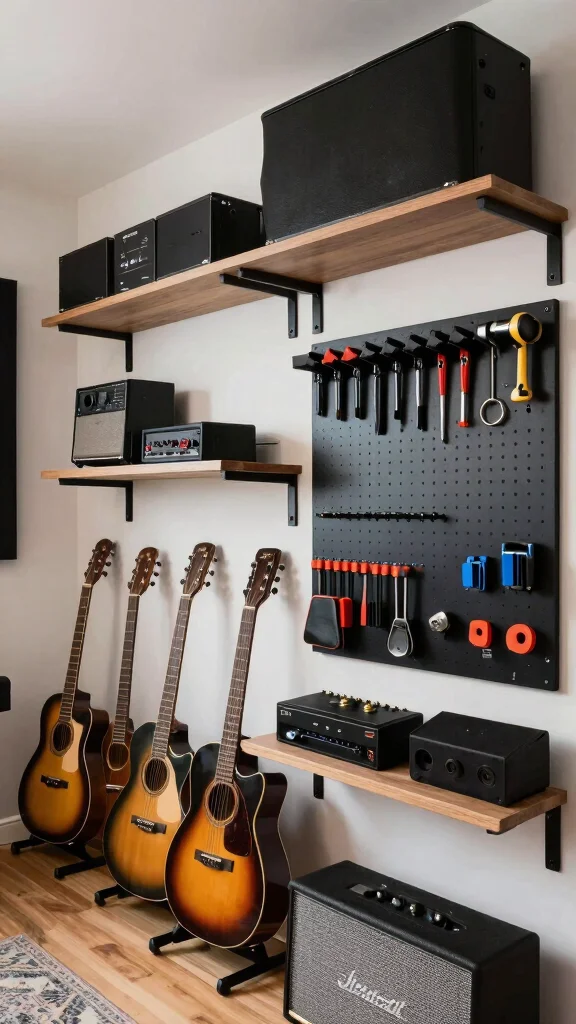
Effective storage solutions are crucial for maintaining organization in your basement music studio. Utilizing wall space for storage maximizes available area and allows for easy access to instruments and supplies.
Consider installing wall-mounted shelves for easy access to gear and accessories. Pegboards can be used to hang instruments and tools, keeping them off the floor. Wall-mounted cabinets can create a clean, uncluttered look while providing ample storage.
Explore these storage solutions:
– Install shelves for quick access to gear.
– Use pegboards to keep tools organized.
– Consider cabinets for a tidy appearance.
Creatively using wall space helps maintain an organized studio that encourages creativity and productivity.
Utilize Wall Space for Storage
Editor’s Choice

HOMCOM Media Cabinet, 4-Tier Stereo Cabinet for Vinyl Record Player, Gam…
Amazon$107.99
White Floating Shelves for Wall Set of 3, 16″ White Shelves for Home Dec…
Amazon$23.97
Peg Board, 4 Pack Metal Pegboard Panels with 50 Hooks, Black Pegboards W…
Amazon$39.9912. Make it Your Own
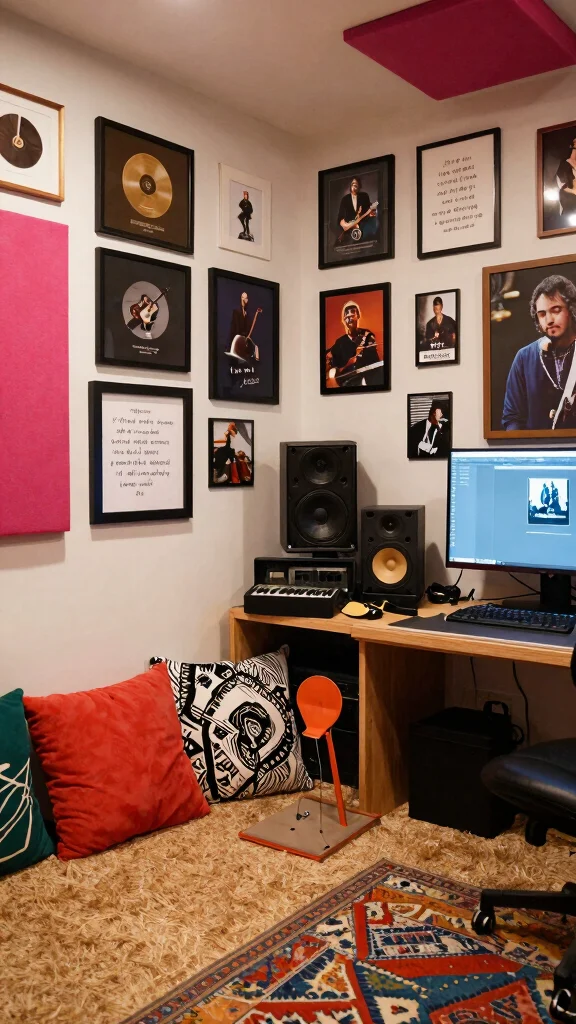
The final touch in designing your basement music studio is personalizing it to reflect your unique style. Your studio should inspire you and showcase your musical interests and passions.
Display trophies or achievements from your music journey, hang your favorite quotes or lyrics for motivation, and decorate with items that represent your musical influences. Adding these personal touches makes your studio truly yours.
Consider these personalization ideas:
– Showcase trophies or milestones from your music career.
– Hang inspirational quotes or lyrics on the walls.
– Decorate with items that inspire your musical journey.
Creating a personalized space enhances your connection to your music, making your studio a joyful place to create.
Make it Your Own
Editor’s Choice

Acrylic Display Case for Collectibles Assemble Clear Acrylic Display Box…
Amazon$26.59
LVQHI Music is What Feelings Sound Like Wood Box Sign Desk Decor,Rustic …
Amazon$8.49Conclusion
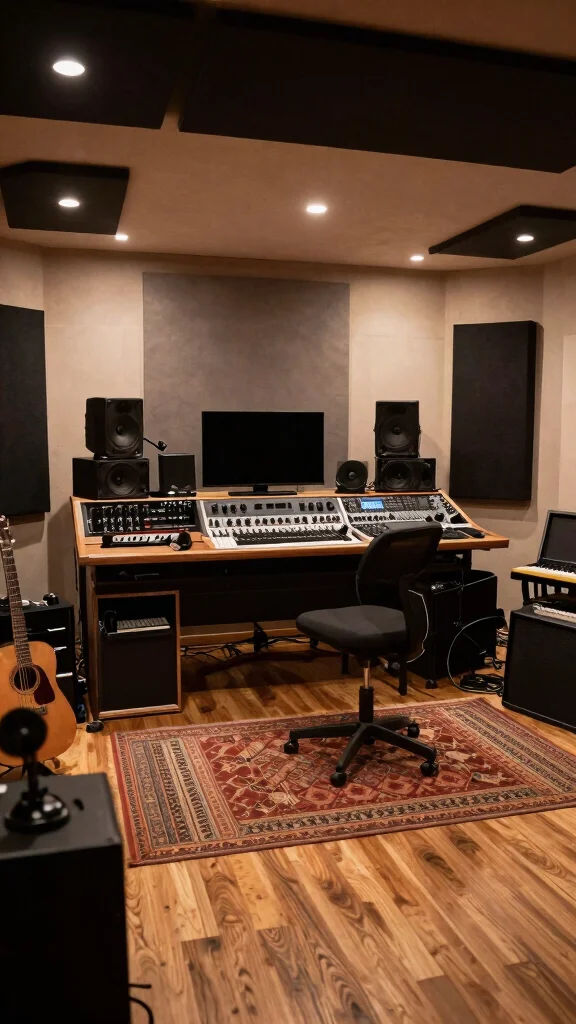
Designing a soundproofed basement music studio is an exciting journey that can transform your recording experience. By incorporating these twelve ideas, you’ll create a space that is not only functional but also reflects your artistic vision. Whether it’s through smart soundproofing techniques or personal touches, your studio will become a sanctuary for creativity.
Embrace your musical journey and let your newfound space inspire you to create amazing soundscapes!
Note: We aim to provide accurate product links, but some may occasionally expire or become unavailable. If this happens, please search directly on Amazon for the product or a suitable alternative.
This post contains Amazon affiliate links, meaning we may earn a small commission if you purchase through our links, at no extra cost to you.
Frequently Asked Questions
What are the essential soundproofing techniques to turn a basement into a music studio?
Begin with a solid shell for a basement music studio by sealing every gap and decoupling surfaces to reduce sound transmission. Add weatherstripping on doors and windows, install door sweeps, and use acoustic sealant around penetrations. Increase wall mass with layered drywall and a decoupling compound like Green Glue to cut sound transfer, and consider a decoupled ceiling or floating floor to reduce structure-borne noise. Install bass traps in the corners and place absorption panels at first-reflection points for clear, controlled sound. For HVAC, use duct baffling and quiet returns to minimize noise. These soundproofing techniques create a quiet foundation for your basement music studio and improve recording and mixing results.
How can I design a functional and stylish home studio on a budget for a basement music studio?
Design a practical home studio design on a budget by planning a flexible layout with modular furniture and movable panels to create zones for recording, mixing, and collaboration. Build DIY acoustic panels with affordable mineral wool or rockwool wrapped in fabric, and mount them where you need the most absorption. Source second-hand desks, shelves, and seating to maximize storage without clutter. Add soft textiles like rugs and curtains to tame reflections, and opt for warm, adjustable lighting to boost mood and focus. With smart planning, you can achieve a professional-looking basement music studio without overspending.
Which acoustic treatments deliver the biggest improvements in a basement music studio?
Start with absorption at the walls and first-reflection points to control early reflections, then place bass traps in the room corners to tame low-end buildup. Use diffusion panels on the rear wall or ceiling to keep the space feeling natural and avoid an overly dead sound. Balance is key—too much absorption can make the room lifeless, so combine absorption, diffusion, and bass trapping for a musical, accurate result. This approach directly enhances your acoustic treatments and benefits any basement music studio setup.
How can I create creative workspace ideas in a basement studio that stay productive while maintaining soundproofing?
Design creative workspace ideas by dividing the space into zones: a recording nook, a mixing/monitoring area, and a relaxed brainstorming corner. Use movable screens or curtains to adapt for different sessions without sacrificing sound isolation. Position your desk to minimize reflections, keep cables tidy with organizers, and incorporate flexible lighting and ergonomic furniture to reduce fatigue. Add vertical storage and inspirational decor that doesn’t add clutter or noise. With thoughtful layout and solid soundproofing techniques, you’ll nurture creativity in your basement music studio.
What basement remodeling tips help avoid common pitfalls when building a basement music studio?
Tackle moisture first: seal walls, install a vapor barrier, and run a dehumidifier to maintain about 40-50% humidity. Plan for electrical capacity with dedicated circuits for amps, monitors, and recording gear, plus plenty of outlets and good cable management. Ensure proper ventilation to prevent stuffiness and mold, and verify egress requirements and local codes before finishing. Choose damp-resistant finishes and lighting suitable for a basement environment. Finally, budget for acoustic treatment and room calibration after construction so your basement remodeling tips translate into a quiet, creative basement music studio.
Recommended Products

【 Music Desk with Power Strips Built-in 】Armocity Music Studio Desk has 3 USB ports and 2 outlet plugs built-in, which provides you with the convenience of charging your studio setup. You can charge your monitor, laptop, i-pad, and keyboard controller without the extra charging station. It will come with one velcro tape, helping you to organize the wires, which makes your music desk neat and tidy.

STUDIO DESK WITH POWER OUTLET: Armocity Studio Desk has 3 USB ports and 2 outlet plugs built-in, which provides you with the convenience of charging your studio setup. You can charge your monitor, laptop, i-pad, and keyboard controller without the extra charging station. It will come with one velcro tape, helping you to organize the wires, which makes your music desk neat and tidy.

STUDIO DESK WITH POWER OUTLET: Armocity Studio Desk has 3 USB ports and 2 outlet plugs built-in, which provides you with the convenience of charging your studio setup. You can charge your monitor, laptop, i-pad, and keyboard controller without the extra charging station. It will come with one velcro tape, helping you to organize the wires, which makes your music desk neat and tidy.
Related Topics
basement music studio
soundproofing techniques
home studio design
acoustic treatments
creative workspace ideas
basement remodeling
DIY soundproofing
beginner friendly
affordable decor
music production
home recording
inspiration for musicians