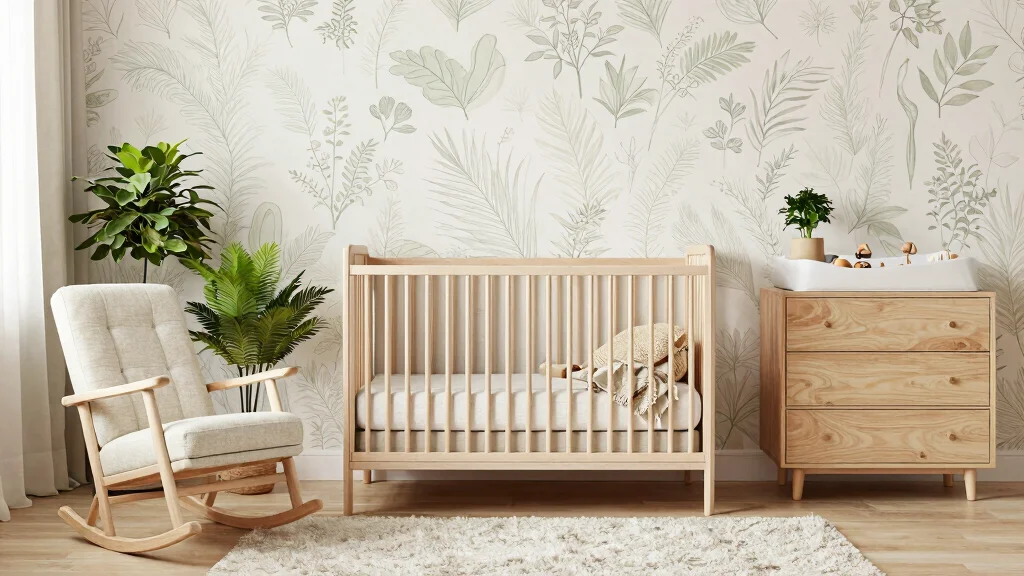
Creating a nursery for your little one is both exciting and daunting. You want the space to be functional and beautiful, but also safe and organized. This blog post is here to help you navigate that challenge. I crafted these nursery furniture layout ideas to spark your creativity and give you practical solutions that cater to both your style and your baby’s needs.
If you’re a parent, caregiver, or anyone looking to design a baby room, you’ll find this guide perfect for you. You care about creating a warm, inviting, and practical space for your child. You want it to be a haven for both you and your baby, and that’s where thoughtful furniture arrangement comes into play.
In this post, you’ll explore 12 unique nursery furniture layout ideas that balance style and functionality. From space-saving arrangements to eco-friendly designs, you’ll discover tips to help you organize everything beautifully. Get ready to transform your nursery into a space that’s not only aesthetically pleasing but also delightful and easy to navigate!
Key Takeaways
– Discover a variety of nursery furniture layouts that maximize space while maintaining a stylish look.
– Learn how to incorporate dual-purpose furniture to save both space and money.
– Explore themes such as minimalism and nature-inspired designs for a calming environment.
– Find smart storage solutions to keep baby essentials neatly organized and easily accessible.
– Get tips on creating a cozy reading nook and welcoming visitor area to enhance the nursery experience.
Recommended Products

4-PIECE ALL-IN-ONE SET: Includes 1 fitted crib sheet (28" x 52" with 8" deep pocket), 1 reversible quilt (35" x 45", both sides printed), 1 crib skirt (27" x 51" with 14" drop, 4 split corners), and 1 stuffed mermaid plush toy (all in one coordinated look for nursery); fits full-size/standard size cribs. Everything you need to decorate your baby's crib, plus a matching soft plush toy that brings extra comfort and companionship to your little one

FABRIC: Crafted from 100% organic cotton. The soft jersey fabric is breathable and great for all seasons from fall/winter to spring/summer.

【3 piece Crib Bedding Set】: The crib bedding set includes one comforter (33"x42") with 2" ruffle, one fitted crib sheet (52"x28"), one toddler pillowcase (13"x18"), come with a reusable packaging bag to store when not being used. Crib set fits perfectly on standard-sized cribs, a must-have for every new parent.
1. Corner Crib Arrangement for Space-Efficiency
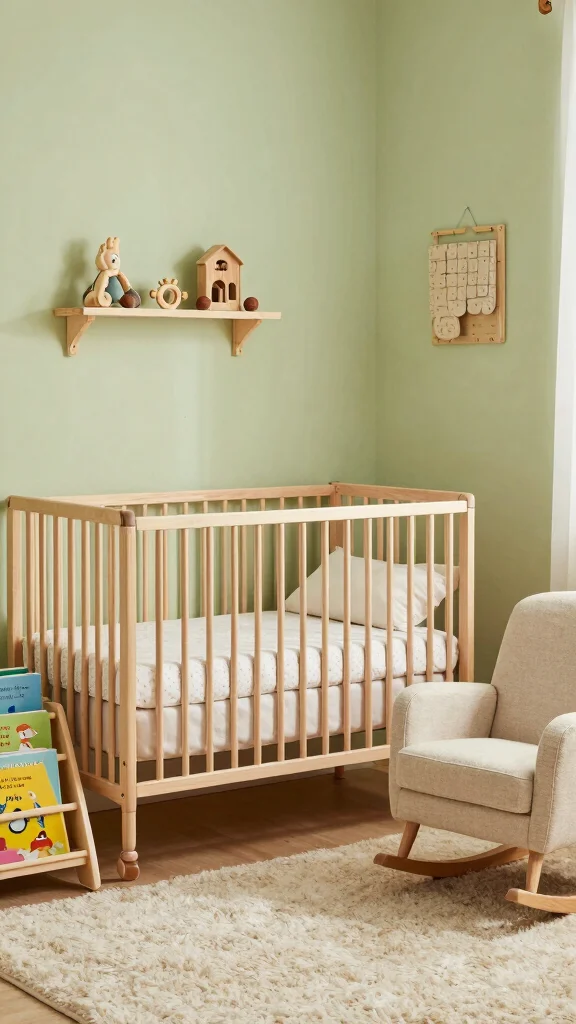
A corner crib arrangement is a clever way to maximize space while adding charm to your nursery. By placing the crib in a corner, you create a snug sleeping nook that opens up the center for play or movement, offering both style and functionality. Imagine pairing a soft crib with a pastel-colored wall and a cozy rug to enhance the inviting feel of the room.
To implement this layout effectively, consider positioning a comfortable rocking chair nearby for those late-night feedings. Adding shelves above the crib can provide practical storage for essentials without cluttering the floor space. This design not only enhances functionality but also contributes to a serene and stylish atmosphere.
– Pair a corner crib with a soft area rug for added comfort.
– Install floating shelves above the crib for easy-access storage.
– Use a glider or rocking chair nearby for cozy feedings.
– Incorporate light-filtering curtains to maintain a soothing ambiance.
This layout fosters a sense of coziness and warmth, while thoughtful materials and textures elevate the overall aesthetic.
Recommended Products

Great space saver: Transforms the wasted space on the wall into a spacious storage area, helps you to keep everything clear

High-Quality Wood: Crafted from premium hardwood, our wall-mounted bookshelf ensures durability and a long-lasting finish, making it a reliable addition to any child's room

【Rounded-Edge Design & Safer Storag】This kids bookshelf has smooth rounded edges, reinforced wall-mounted structure and protective beaded front rails. The sturdy design helps prevent books and small items from falling, providing safer storage in kids’ rooms, nursery and playrooms.
Dimensions & Size Guide
When planning your nursery furniture layout, understanding dimensions and space requirements is crucial. You want a room that is both functional and beautiful. Let’s dive into the standard sizes and measurements that will help you design the perfect baby room.
Standard Sizes & Measurements:
A few common sizes for nursery furniture include:
– Cribs: Standard cribs are usually 28 inches wide by 52 inches long. Ensure you have at least 3 feet of clearance around the crib for safety and accessibility.
– Changing Tables: These typically measure 36 to 43 inches tall and about 20 inches deep. Leave enough room (at least 2 feet) in front of the changing table for movement.
– Dressers: Standard dressers are about 30 inches tall and can vary in width from 30 to 60 inches. Aim for at least 2-3 feet of space in front for easy access.
– Rocking Chairs or Gliders: These chairs usually range from 30 to 36 inches in width. Ensure you leave an area of around 2 feet in front for easy entry and exit.
Quick Reference Table:
Size/Dimension – Best for: [use case], Minimum space needed: [measurement]
– Crib (28×52 inches) – Best for: Sleeping area, Minimum space needed: 3 feet clearance
– Changing Table (36-43 inches high) – Best for: Diaper changes, Minimum space needed: 2 feet in front
– Dresser (30-60 inches wide) – Best for: Clothing storage, Minimum space needed: 2-3 feet clearance
– Rocking Chair (30-36 inches wide) – Best for: Feeding and soothing, Minimum space needed: 2 feet in front
Space Planning Tips:
1. Measure Twice, Move Once: Before purchasing furniture, measure your nursery space carefully. Use a tape measure to ensure you have accurate dimensions. This helps prevent surprises when the furniture arrives.
2. Leave Room for Movement: When arranging furniture, prioritize space for walking and moving. Aim for at least 3 feet of space between major pieces like the crib and dresser. This space will make daily tasks smoother and safer.
3. Consider Doorways and Windows: Make sure doors can open freely without hitting any furniture. Also, keep window access clear for natural light and ventilation. This adds comfort and can make your nursery feel larger.
4. Think About Functionality: While style matters, functionality is key. Choose layouts that allow for easy diaper changes or late-night feedings without feeling cramped.
5. Avoid Clutter: Stick to essential furniture. Too many pieces can make the room feel overcrowded. Keep only what you need for the nursery’s functionality, and consider multi-functional furniture like storage ottomans or changing tables with built-in drawers.
Pro Tip: The most important measurement in your nursery layout is the space around the crib. Ensure at least 3 feet of clearance on all sides. This space allows you to get in and out easily while ensuring your baby’s safety. It’s essential for quick access during those late-night wake-ups! 💡
Recommended Products

GREENGUARD GOLD CERTIFIED FOR CLEANER INDOOR AIR: The Storkcraft Hoop Glider & Ottoman is GREENGUARD Gold Certified, meaning it has been screened for over 10,000 chemicals and VOCs known to pollute indoor air, contributing to cleaner, healthier air

GREENGUARD GOLD CERTIFIED FOR CLEANER INDOOR AIR: The Storkcraft Hoop Glider & Ottoman is GREENGUARD Gold Certified, meaning it has been screened for over 10,000 chemicals and VOCs known to pollute indoor air, contributing to cleaner, healthier air

【270° Swivel Glider Rocking Recliner】- This extra wide oversized nursery rocking chair features smooth gliding motion and full 270° swivel, paired with flexible multi-position manual reclining design. Versatile enough for nurseries, living rooms and bedrooms, this swivel glider recliner is a perfect pick for breastfeeding, reading, watching movies and daily relaxation, bringing you an incredibly cozy sitting experience all day long.
Corner Crib Arrangement for Space-Efficiency
Editor’s Choice

Allenjoy Cute Anime Purple Korean Hunter Comforter Set with 2 Pillowcase…
 Amazon$74.99
Recliner Chair, Swivel Rocker Recliner Chair for Adults, Small Recliners…
Amazon$189.99
Washable Rugs 5×7 Area Rugs for Living Room,Bedroom,Dining Room- Ultra S…
Amazon$39.982. Functional Dual-Purpose Furniture
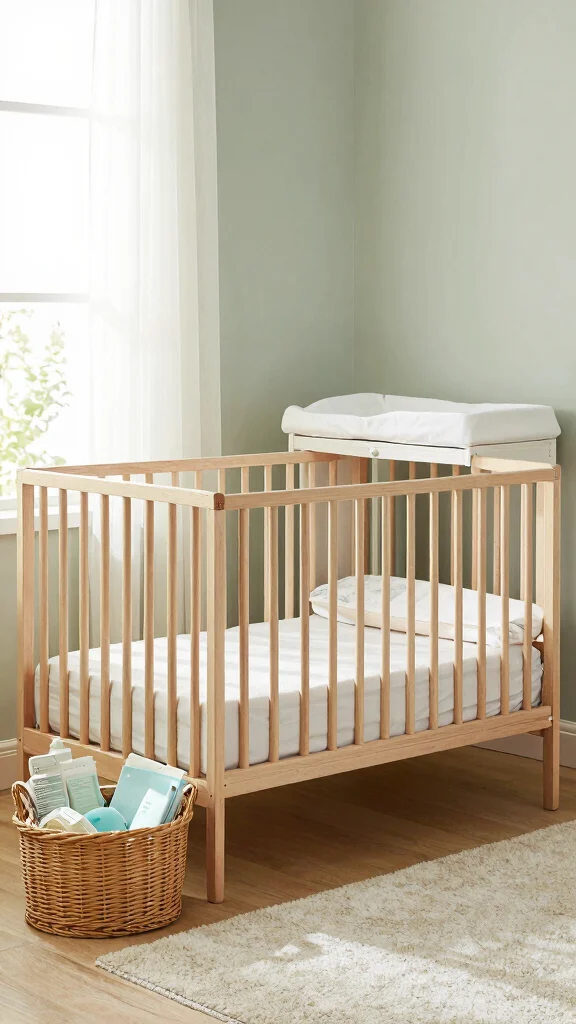
Dual-purpose furniture can revolutionize your nursery by blending style and practicality. Consider a crib that transforms into a toddler bed or a changing table that doubles as a dresser, saving both space and money. This approach not only extends the life of your furniture but also aligns with sustainable living, making it an eco-friendly choice.
For optimal arrangement, place the changing table near the crib for easy access during diaper changes. Keep a basket of essentials close by for convenience, ensuring everything is within reach when you need it. This thoughtful setup enhances organization and encourages a seamless flow in the room.
– Choose versatile furniture that meets safety standards and lasts.
– Use drawer organizers in the changing table for neat storage.
– Select a neutral color palette to adapt as your child grows.
This design choice creates a harmonious space, where functionality meets aesthetic appeal through carefully chosen textures and materials.
Recommended Products
3-Piece baby crib bedding set includes one quilt, one fitted crib sheet and one crib skirt
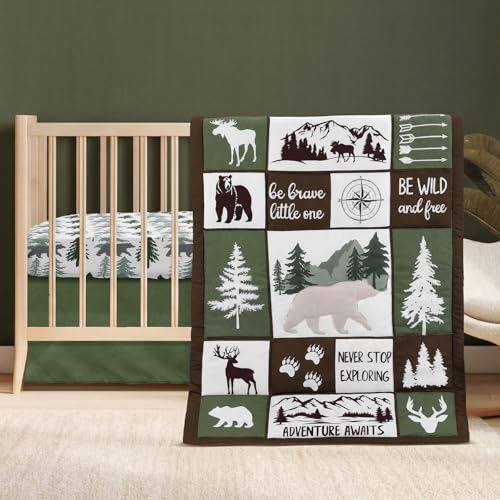
Complete Bedding Set: this fantastic Woodland themed baby crib bedding set comes with 1 pcs cotton quilt, 1 pcs bed sheet, 1 pcs bed skirt; All the elements you need for a stylish and comfortable crib setup are included in one convenient package, saving you time and effort in selecting and matching

Complete Crib Set: there are 4 pieces of floral bedding set for the package, including a crib skirt, blanket, crib sheet and diaper stacker, a complete range to ideally decorate a crib, convenient and practical
Functional Dual-Purpose Furniture
Editor’s Choice

Delta Children Essex 4-in-1 Convertible Baby Crib, Bianca White with Nat…
Amazon$150.99
DECRAFTS Seagrass Storage Basket with Lid Rectangular Small Woven Shelf …
Amazon$19.99
Delta Children Infant Changing Table with Pad, White
AmazonCheck Price3. Zen Minimalist Approach
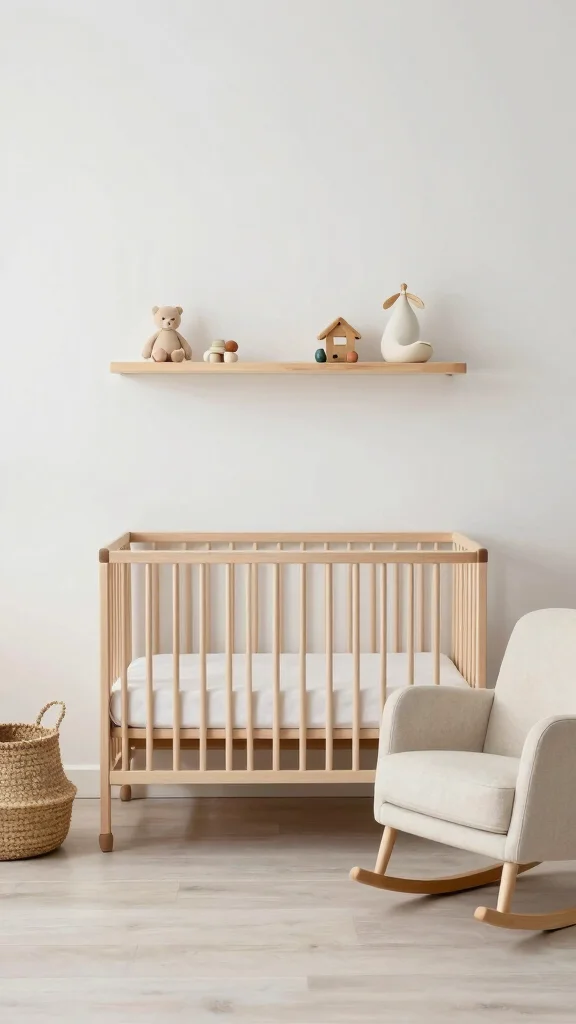
A minimalist nursery can be a peaceful sanctuary that encourages tranquility for both baby and parent. By focusing on simplicity, you can declutter the space and create a calming atmosphere. Select a few essential pieces like a sturdy crib, a soft chair, and a small dresser, positioning them to allow for free movement throughout the room.
Limit decor to a few key items, letting organic textures and soft colors shine. Incorporate natural materials like cotton and bamboo, opting for organic bedding to enhance the eco-friendly vibe. This approach not only looks good but also promotes a serene environment ideal for relaxation.
– Embrace nature-inspired elements like wood grain and earth tones.
– Regularly assess items to avoid unnecessary clutter.
– Use built-in shelves to elegantly display books and toys.
This design style emphasizes a calming aesthetic, where textures and materials work together to create a harmonious and inviting space.
Recommended Products
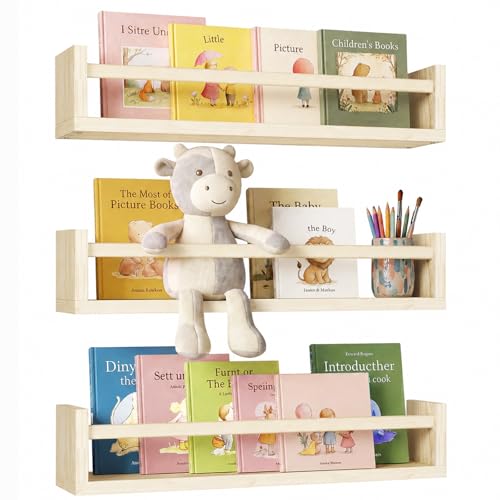
[Functional Kid's Shelves] - These floating shelves add both style and storage functionality to any nursery or kids' room, making them a great addition to your home decor. In addition, they can be used upside down, with hangers for children's clothing storage.

[Functional Kid's Shelves] - These floating shelves add both style and storage functionality to any nursery or kids' room, making them a great addition to your home decor. In addition, they can be used upside down, with hangers for children's clothing storage.

【Premium Solid Wood Material】Crafted from 100% solid wood with a smooth, non-toxic finish, this study table is both eco-friendly and built to last for years of daily use.
Zen Minimalist Approach
Editor’s Choice

GCI Outdoor Comfort Pro Rocker Camping Chair | Portable Folding Rocking …
Amazon$75.00
3-Piece Tufted Ruffle Crib Bedding Set for Girls – Ultra Soft Baby Beddi…
Amazon$36.99
Tavaleu Straw Beach Bags for Women, Tote Handbag Shoulder Bag for Women,…
Amazon$22.994. Thematic Furniture Arrangement
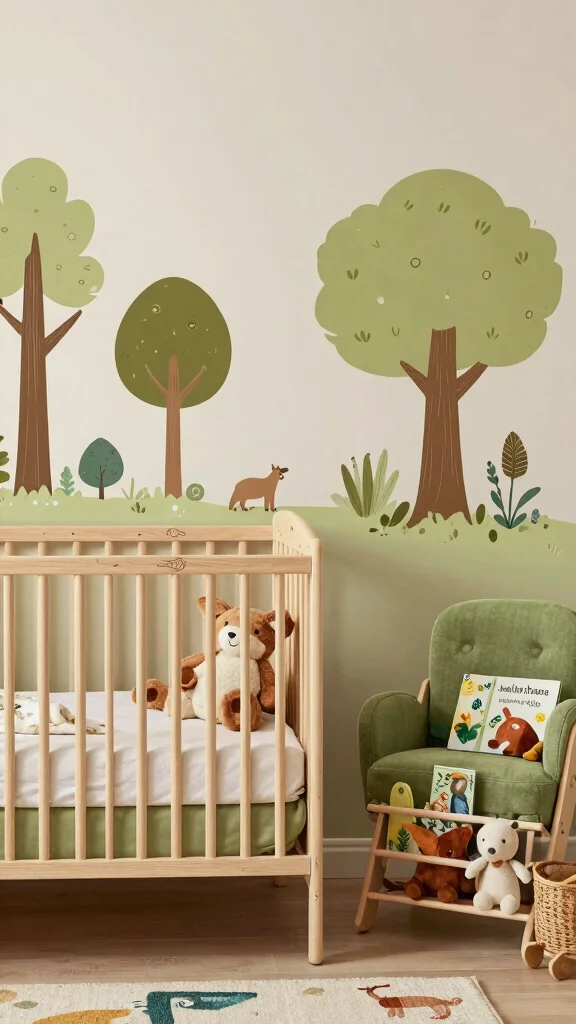
Creating a thematic nursery allows you to showcase your personal style while providing comfort for your little one. Choose a theme—like woodland creatures or ocean adventures—and curate furniture and decor that reflects this vision. For instance, a woodland theme might feature a wooden crib adorned with animal motifs, complemented by wall art depicting forests and wildlife.
Arrange the furniture to immerse the room in this creative theme while ensuring practical use of space. This thoughtful layout keeps the nursery both functional and inspiring for your child.
– Explore themes like nautical, boho, or vintage for unique arrangements.
– Create cozy reading nooks with small chairs and bookshelves.
– Add personal touches, like handmade crafts, to enhance character.
This thematic approach not only makes the nursery visually captivating, but also enriches the space with warmth through carefully selected materials and textures.
Recommended Products

GREENGUARD GOLD CERTIFIED FOR CLEANER INDOOR AIR: The Storkcraft Hoop Glider & Ottoman is GREENGUARD Gold Certified, meaning it has been screened for over 10,000 chemicals and VOCs known to pollute indoor air, contributing to cleaner, healthier air

GREENGUARD GOLD CERTIFIED FOR CLEANER INDOOR AIR: The Storkcraft Hoop Glider & Ottoman is GREENGUARD Gold Certified, meaning it has been screened for over 10,000 chemicals and VOCs known to pollute indoor air, contributing to cleaner, healthier air

Ergonomic Design with Extendable Footrest: Experience superior comfort with this rocking chair featuring an extendable footrest for optimal leg support during long sitting sessions. The high backrest and contoured armrests provide full-body support, making it ideal for nursing, reading, or relaxing. Designed to align with natural body posture, it ensures lasting comfort in any living space.
Thematic Furniture Arrangement
Editor’s Choice

Tudomro 3 Pieces Butterfly Nursery Crib Bedding Set for Girls, Standard …
Amazon$36.99
GLOKAKA African American Women Canvas Wall Art Black Woman with Flower H…
Amazon$26.99
Rocking Chair Nursery Teddy Upholstered Glider Rocker Rocking Accent Cha…
Amazon$89.885. Playful Color Zones
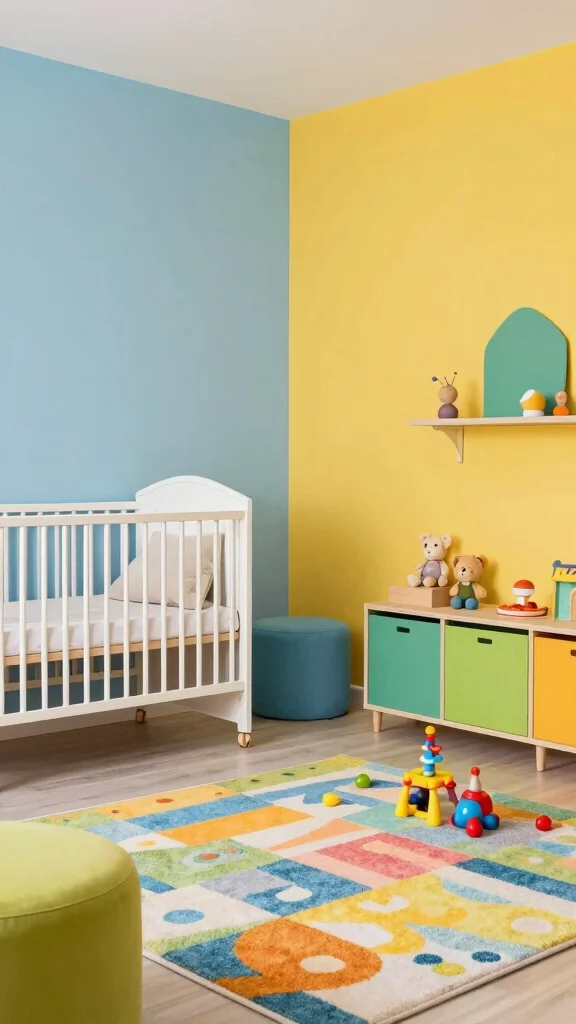
Establishing color zones in your nursery can create purposeful areas for various activities. For example, designate a calming blue corner for sleep while bright yellows or greens define the play area. This color-blocking strategy can enliven the nursery, creating an engaging environment for your baby.
Position the crib in the serene zone and use area rugs to delineate the play space. Bright storage bins or playful artwork can add functionality while maintaining a vibrant atmosphere. This thoughtful arrangement balances energy with calm.
– Balance vibrant colors with soft neutrals for harmony.
– Use washable paint and durable decor for easy maintenance.
– Draw inspiration from nature to inform your color choices.
This design strategy fosters a dynamic yet soothing space, where colors and textures work together to enhance the nursery’s overall appeal.
Recommended Products

Patent Design and Safety Materials: USPTO Patent Approved and BOLUO baby dresser are tested at third-party,accredited laboratories to meet or exceed all applicable category voluntary and mandatory safety standards

SPACE-SAVING CORNER DESIGN - Make the most of unused nursery space with this clever corner changing table, designed for efficient diapering and organization.
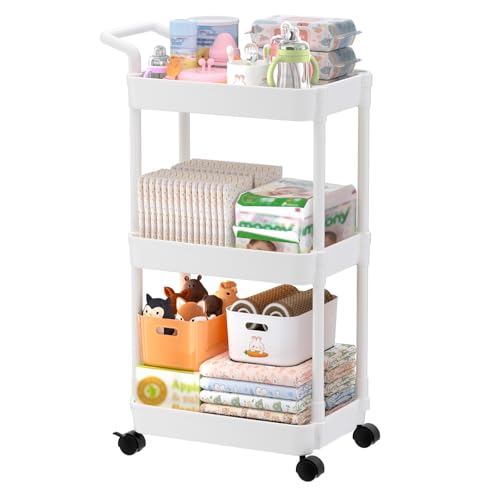
New Mom Essentials - Bringing the baby at night, no longer afraid of being in a hurry. The Volnamal diaper caddy is versatile enough for all those baby must haves essentials: baby diapers, baby clothes, baby wipes, bibs, onesies, changing pads, baby toys, medicine, powder, and other infant items
Playful Color Zones
Editor’s Choice

Rectangular Valentines Basket for Women Girls Storage Bin Organizer Box …
Amazon$5.99
Pink Wall Decor – Inspirational Quotes Wall-Art – Motivational Bedroom D…
Amazon$15.90
Amdrebio Light Pink Round Circle Rug 4Ft for Girls Bedroom, Fluffy Cute …
Amazon$13.996. Nature-Inspired Furniture Layout
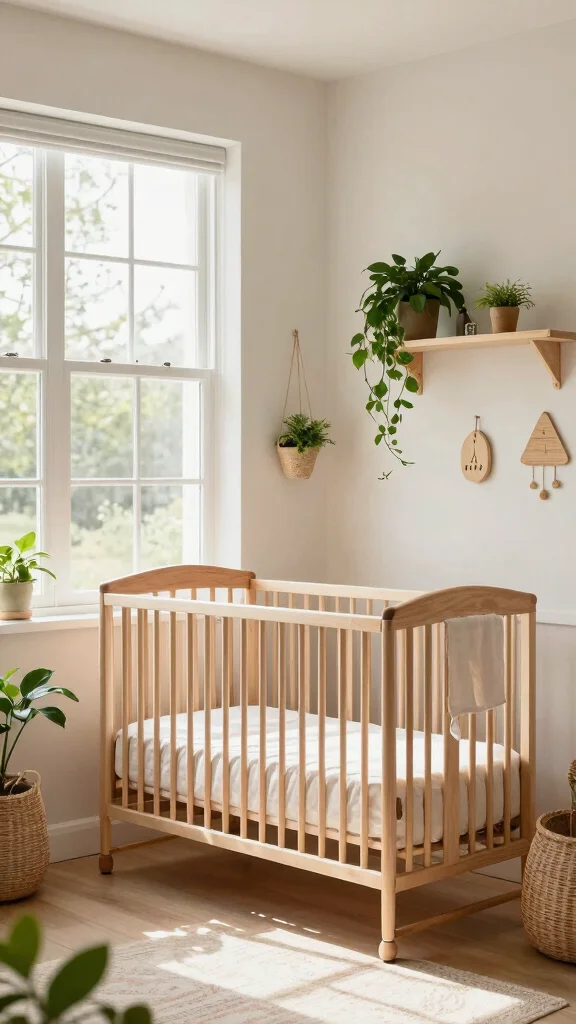
A nature-inspired furniture layout creates a serene and eco-friendly atmosphere for your nursery. Incorporate natural materials like untreated wood and organic fabrics to enhance the tranquility of the space. Position the crib near a window to maximize natural light and warmth, fostering a comforting environment.
Integrate safe plants into the decor, choosing varieties that are non-toxic for children and pets. Hanging plants or placing them on shelves adds a lively touch without overwhelming the space.
– Ensure all furniture is sturdy and safe for your baby.
– Use nature-themed art and textiles to enhance the theme.
– Incorporate plants like spider plants for improved air quality.
This layout not only promotes a calming environment but also enriches the nursery’s aesthetic through natural materials and textures.
Fun fact: 75% of parents notice calmer sleep when the nursery furniture layout uses natural materials and sits near a sunny window. A nature-inspired nursery boosts eco-friendly vibes and practical comfort—think untreated wood and organic fabrics for a more serene, functional space.
Recommended Products

Multifunction Dresser: This fabric dresser is ideal for bedroom, closet, living room, hallway, dorm and office. The bedroom dresser can also hold small-size TV to be a TV stand.
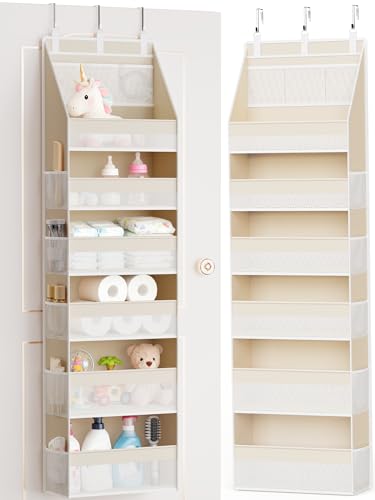
MAXIMIZE EVERY INCH OF SPACE: Turn any door into a powerhouse of organization! With 6 deep main compartments for towels, diapers, or clothes and 13 breathable mesh side pockets for small essentials like chargers, keys, and cosmetics, this over the door storage keeps everything perfectly sorted—goodbye clutter, hello stress-free mornings!

Versatile Storage Solution: Our dresser organizers come in 3 different sizes to keep your space organized and clutter-free, optimizing your daily storage needs. The set includes 4 large (11"x11"x4.5"), 4 medium(11"x5.5"x4.5"), and 2 small (5.5"x5.5"x4.5")
Nature-Inspired Furniture Layout
Editor’s Choice

Wicker Baskets for Organizing,Natural Paper Rope Large Small Basket Set …
Amazon$19.99
The Peanutshell 4 Piece Organic Cotton Baby Crib Bedding Set for Girls -…
Amazon$79.99
American Plant Exchange Live Calathea ‘Beauty Star’ – 6-Inch Pot Cover…
Amazon$30.057. Smart Storage Solutions
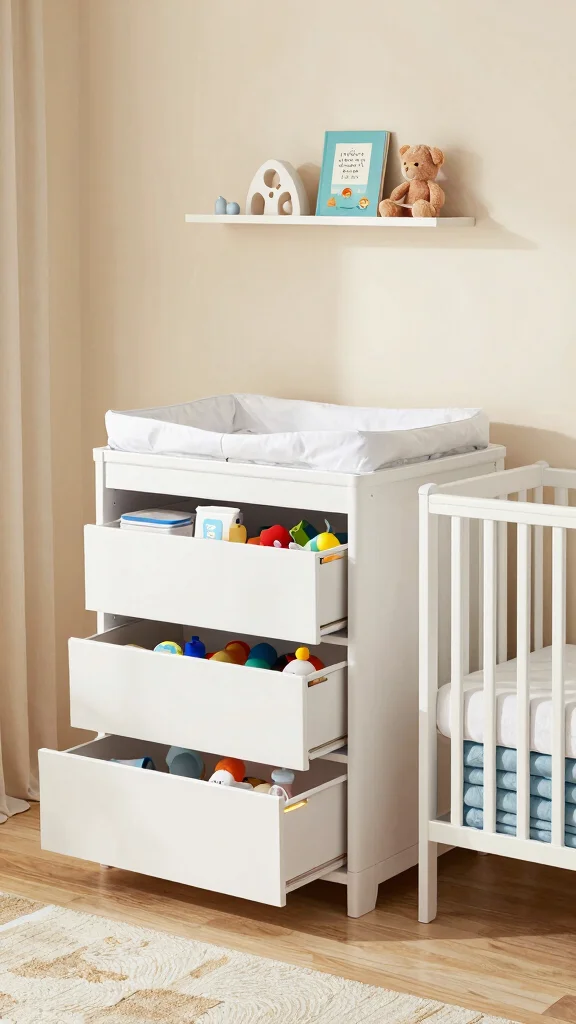
An organized nursery cultivates a calm and welcoming environment. Smart storage solutions seamlessly integrated into your furniture layout ensure that every item has its place while remaining easily accessible. Consider multi-functional pieces like a changing table with built-in drawers or a crib featuring under-bed storage.
Position furniture to facilitate quick access to essentials, keeping frequently-used items close at hand. Use stylish baskets and bins that complement your decor, making organization visually appealing rather than an eyesore.
– Utilize vertical space with shelves above furniture.
– Opt for labeled bins for easy item location.
– Match storage solutions with your room’s overall theme for cohesion.
This organized approach not only enhances functionality but also elevates the nursery’s aesthetic appeal through thoughtful design and materials.
Recommended Products

Patent Design and Safety Materials: USPTO Patent: 30002657 Approved and BOLUO baby dresser are tested at third-party,accredited laboratories to meet or exceed all applicable category voluntary and mandatory safety standards

FREE YOUR WAIST: The baby diaper changing table has 4-Level Adjustable Height which offers a suitable position for parents to change diapers, do massage, as well as change clothes for their babies. It will significantly prevent back aches and pains from bending or kneeling. Also, the bottom can be the adjustable extension from 39.7" to 42.1", perfectly fit 4.8~6ft dads/moms
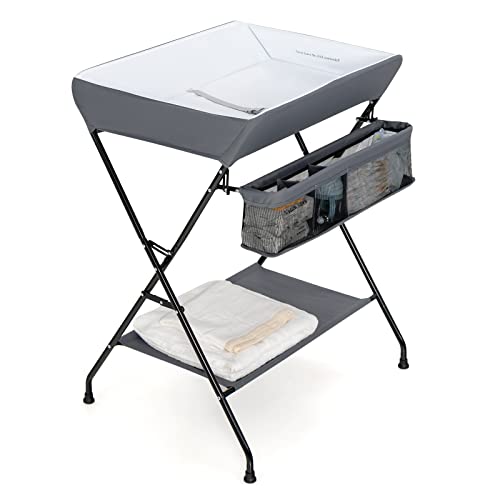
[No More Back Pain] - Our changing table will save you from a lot of back pain as it is designed at a proper height. Bending over to change your baby multiple times a day can really take a toll on your back muscles. Save that back strength for the multitude of other child-rearing tasks on your plate. This changing station can meet a variety of needs such as changing diapers, dressing and massaging for babies, providing maximum convenience for parents.
Smart Storage Solutions
Editor’s Choice

Clastyle Flower Storage Basket Set with Metal Frame Leaves Plants Foldab…
Amazon$9.99
Cotton Baby Bedside Hanging Storage Bag,2 Pockets Organizer for Baby Cri…
Amazon$8.99
Koala Kare KB301-05 Vertical Surface Mounted Baby Changing Table – Folda…
Amazon$292.858. Cozy Reading Nook
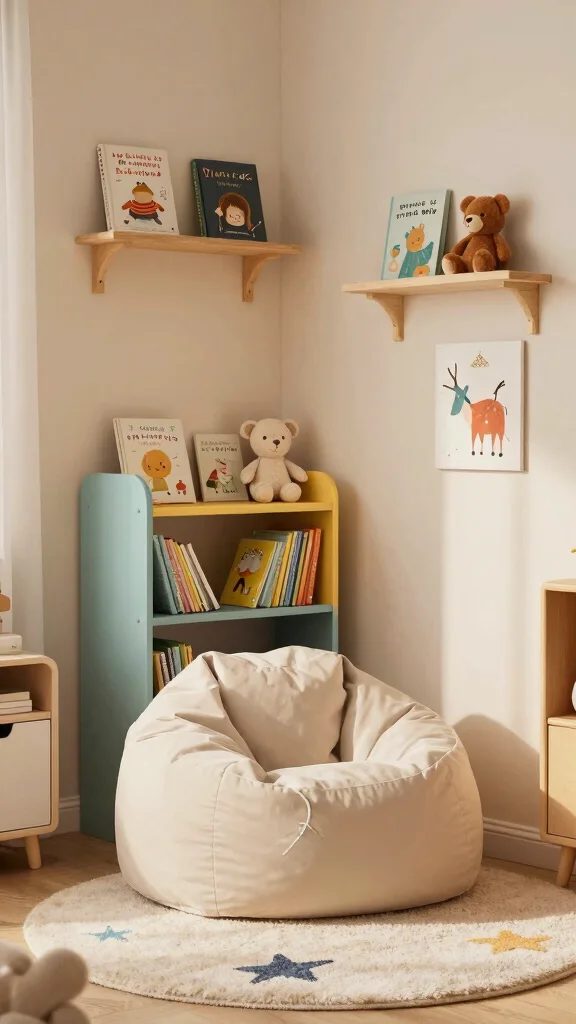
Designing a cozy reading nook in your nursery can cultivate a lifelong love for books in your child. Designate a corner with a small bookshelf and a comfy chair or bean bag, creating a space that invites relaxation and exploration. Arrange it to encourage quiet time, making it an ideal spot for reading or play.
Incorporate a soft rug to define the area, and consider wall-mounted shelves to display books and toys beautifully. Soft lighting or a small lamp can enhance the ambiance, making it a perfect retreat.
– Keep bookshelves low for easy access and safety.
– Add colorful pillows and blankets for comfort and style.
– Choose a theme for the nook that aligns with your nursery’s design.
This dedicated space not only enhances reading but also enriches the nursery’s overall warmth and character through thoughtful design.
Fun fact: a cozy reading nook can boost early literacy by up to 20% with just 15 minutes of daily, distraction-free reading. Design it as part of your nursery furniture layout—pair a small bookshelf, a comfy chair, and a rug in a quiet corner for easy access and book love.
Cozy Reading Nook
Editor’s Choice

Hoikwo 3 Pack Butterfly Wall Shelves, White Pink Floating Book Shelves, …
Amazon$19.99
Relefree Cafy Bean Bag Chair for Adults,Deep Seating Adult Bean Bag Chai…
Amazon$149.99
Washable Rugs 5×7 Area Rugs for Living Room,Bedroom,Dining Room- Ultra S…
Amazon$39.989. Adjustable Furniture Features
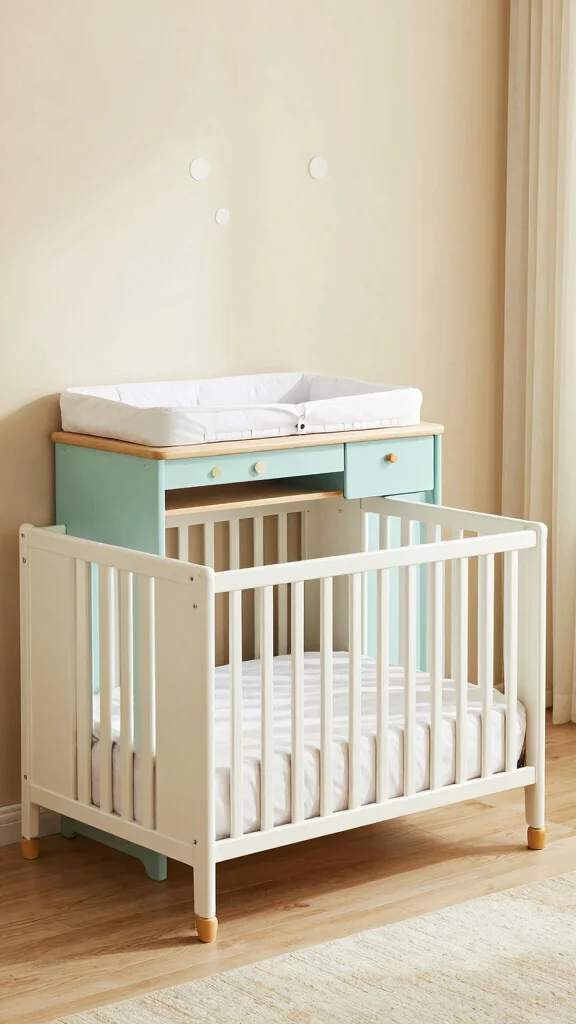
Adjustable furniture features are ideal for nurseries, combining versatility with longevity. Search for cribs that can convert into toddler beds or adjustable changing tables that grow with your child. This adaptability allows you to maintain the same furniture as your child matures, making it a cost-effective and sustainable choice.
Arrange your furniture with the future in mind, ensuring that adjustments can be made without needing a complete redesign. This foresight makes it easier to adapt as your child’s needs change.
– Enjoy savings on furniture and reduce waste with adjustable options.
– Choose durable materials that can withstand regular changes.
– Incorporate colors and patterns that can evolve with your child’s tastes.
This design philosophy not only saves money but also enhances the nursery’s appeal through its thoughtful and adaptable elements.
Adjustable Furniture Features
Editor’s Choice

Changing Table Dresser, Baby Classic Nursery Dresser with 5 Drawers and …
Amazon$189.99
Delta Children Essex 4-in-1 Convertible Baby Crib, Bianca White with Nat…
Amazon$150.99
10. Eco-Friendly Fabrics and Textiles
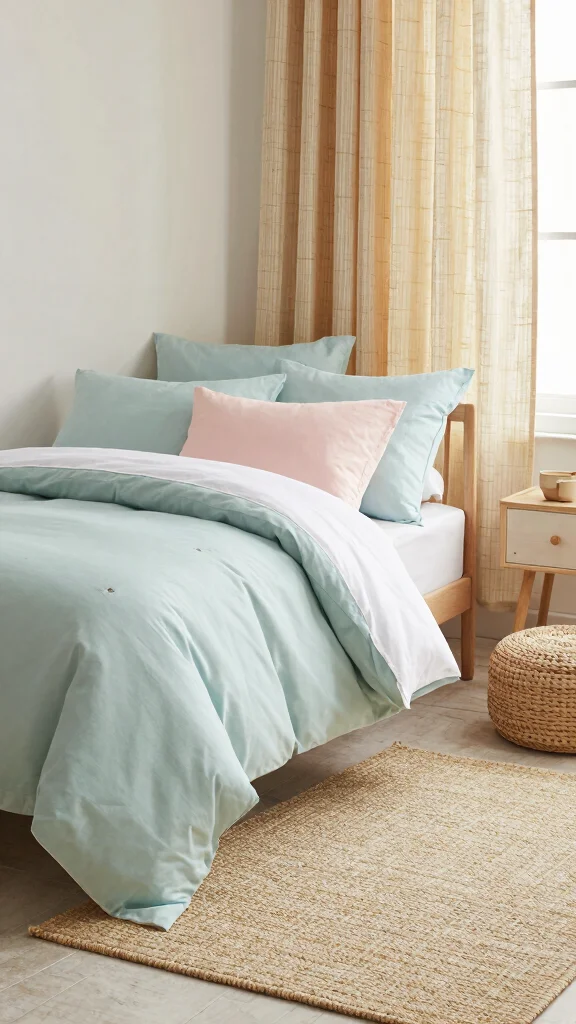
Incorporating eco-friendly fabrics and textiles in your nursery is vital for creating a sustainable and comfortable environment. Look for organic cotton, bamboo, or recycled materials for bedding, curtains, and rugs. Arranging furniture with these materials in mind contributes to a healthier space, reducing allergens and creating a safe haven for your baby.
Ensure textiles are machine washable for practicality, especially in a nursery where messes are common. Select colors and patterns that not only complement your decor but also provide sensory stimulation for your little one.
– Test for pesticide-free options when selecting organic fabrics.
– Layer textiles to create comfort and stimulate the baby’s senses.
– Use curtains that filter light softly for a cozy atmosphere.
This focus on eco-friendly materials not only enhances comfort but also enriches the nursery’s aesthetic through thoughtful design choices.
❝ Did you know eco-friendly textiles can cut nursery irritants by up to 40%? A thoughtful nursery furniture layout with organic cotton bedding, bamboo curtains, and washable fabrics keeps air gentler for baby and makes daily care easier.❞
Eco-Friendly Fabrics and Textiles
Editor’s Choice

Bamboo Curtains, Bamboo Tree Image Traditional Chinese Calligraphy Style…
Amazon$17.66
The Peanutshell 4 Piece Organic Cotton Baby Crib Bedding Set for Girls -…
Amazon$79.99
Lahome Reverie Pink Floral Rugs for Girls Bedroom 5×7, Washable Soft Nur…
Amazon$52.2411. Multi-Functional Play Zones
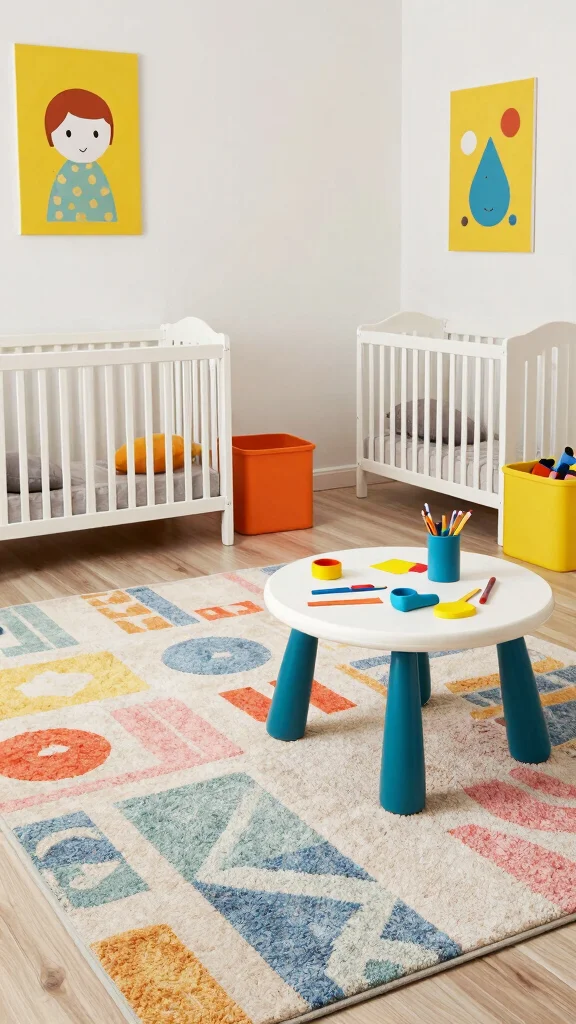
Creating multi-functional play zones within your nursery encourages creativity and exploration. Designate a space where your baby can crawl, play, and eventually engage in structured activities like arts and crafts. Arrange the furniture to establish defined areas, such as a low table for playtime and a soft mat for tummy time.
Incorporate colorful rugs to clearly delineate these zones while ensuring they are easy to clean. Keep storage nearby for toys and art supplies, facilitating quick and easy clean-ups.
– Use non-toxic, durable materials for all toys and furniture.
– Incorporate wall art that stimulates imagination and play.
– Ensure furniture in the play zone is safe, with rounded edges and stability.
This thoughtful design not only supports play and learning but also enriches the nursery’s atmosphere through vibrant colors and engaging spaces.
Multi-Functional Play Zones
Editor’s Choice

Comfy Cubs Round Kids Play Mat – Small 36 inches Soft Quilted Baby Floor…
Amazon$32.99
Lahome Reine 5×7 Boho Living Room Rug Colorful Bedroom Rug, Large Bohemi…
Amazon$59.99
2 Pieces Happy Birthday Decorations, Birthday Cake Honeycomb Centerpiece…
Amazon$7.9712. Welcoming Visitor Area
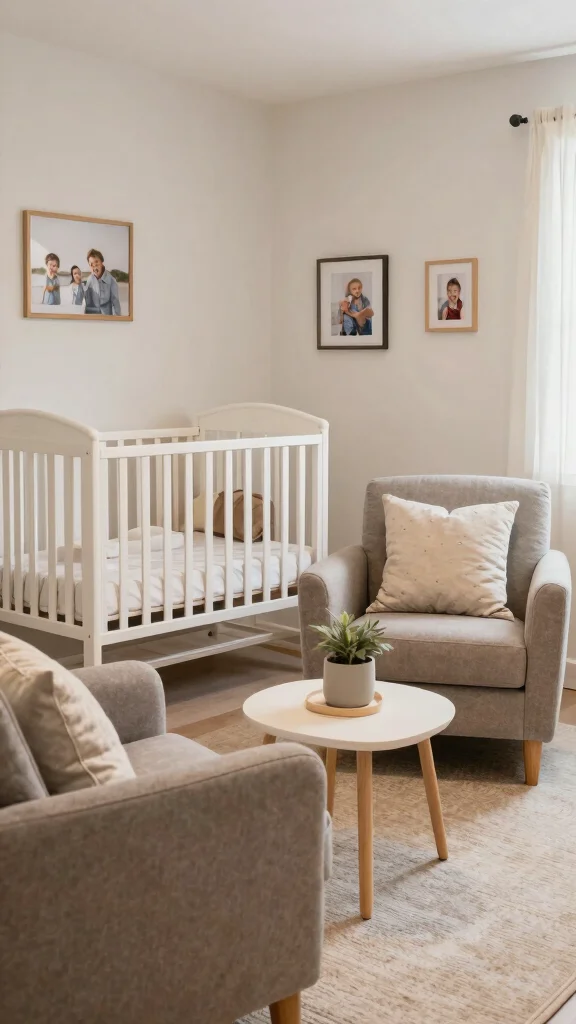
Designing a welcoming area for visitors in your nursery can enhance the experience for family and friends. Consider a small seating arrangement where guests can comfortably relax during visits, fostering quality bonding time. Choose eco-friendly chairs or a small sofa to create an inviting atmosphere.
Arrange seating near the crib or play area, allowing for social interaction without overwhelming the nursery’s primary purpose. Small side tables can provide space for drinks or snacks, adding convenience during visits.
– Ensure that seating is easy to clean and made from durable materials.
– Enhance the area with personal touches like family photos or thematic cushions.
– Keep pathways clear to maintain safety in the busy environment.
This inviting space not only promotes social interaction but also enriches the nursery’s overall warmth and character through thoughtful design.
Welcoming Visitor Area
Editor’s Choice
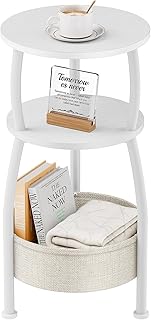
Small Round Side Table for Living Room with Storage Basket –Small Spac…
Amazon$37.99
CANMOV Swivel Accent Chair with Armrest, Modern 360 Degree Swivel Barrel…
Amazon$149.99
Comfy Saucer Chair, Foldable Living Room Chairs, Soft Faux Fur Lounge Ch…
Amazon$76.49Conclusion
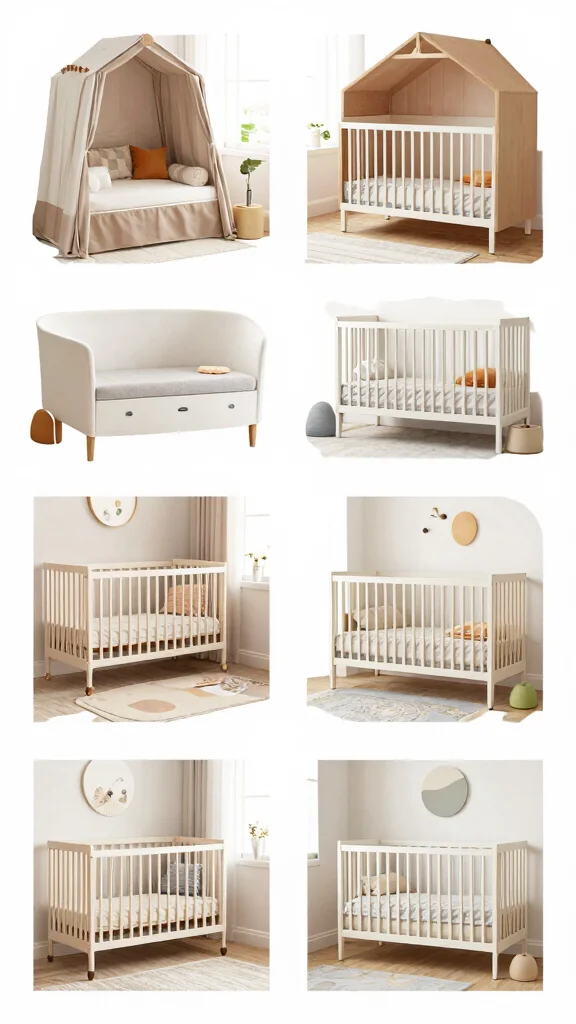
Crafting a nursery that is both functional and beautiful can transform your parenting experience. By combining eco-friendly principles with thoughtful furniture layouts, you’ll create a haven for your baby that meets all your needs. Whether you lean towards minimalist designs or vibrant thematic areas, the key lies in arranging furniture to enhance comfort and organization. Embrace these ideas to inspire your nursery journey, ensuring that every piece contributes to a nurturing environment.
Engage with these layouts, and remember, creating a stunning nursery is a journey filled with creativity and love.
Note: We aim to provide accurate product links, but some may occasionally expire or become unavailable. If this happens, please search directly on Amazon for the product or a suitable alternative.
This post contains Amazon affiliate links, meaning we may earn a small commission if you purchase through our links, at no extra cost to you.
Frequently Asked Questions
What Are the Best Nursery Furniture Layout Ideas for a Functional Beautiful Room?
Creating a nursery furniture layout that’s both functional and beautiful starts with a simple plan.
Start by measuring the room and sketching zones for sleeping, changing, storage, and play.
Choose eco-friendly furniture with non-toxic finishes and durable materials to keep your nursery safe and timeless.
Place the crib with at least 24 inches of clearance on two sides, a nearby changing station, and a storage solution that keeps essentials within arm’s reach.
Look for multi-use pieces, like a dresser that doubles as a changing table, to maximize space.
Finally, reserve open floor space for easy navigation and safe movement for you and baby.
How Can I Organize a Baby Room Efficiently Without Sacrificing Eco-Friendly Design?
Eco-friendly design and baby room organization go hand in hand.
Start with a simple layout and zoning: sleeping, diapering, storage, and playtime.
Choose sustainable materials—solid wood, low-VOC finishes, and natural textiles—and avoid plastic-heavy options.
Use dual-purpose furniture (changing table that becomes a dresser) and built-in storage where possible.
Use labeled baskets and shallow drawers so you can grab what you need quickly.
Place the most-used items within arm’s reach of the changing area and crib.
End with a calming color palette that grows with your child.
These nursery design ideas keep your space tidy and stylish without sacrificing sustainability.
What Furniture Arrangement Tips Help Maximize Space in a Small Nursery?
For small nurseries, think vertical and modular.
Start with a crib that fits the space without crowding the room, and add a wall-mounted changing station or compact dresser.
Use tall bookshelves or wall organizers to keep floors clear.
Consider a glider or chair that tucks into a corner and won’t block traffic.
Use a soft rug to define a play area without blocking pathways.
Keep essential items in reach; store away non-essentials in tall bins.
Layer lighting with a ceiling light, a floor lamp, and a dim nightlight.
These strategies are perfect for furniture arrangement for nurseries.
Which Pieces Are Essential for a Functional Nursery and How Should I Place Them?
Essentials include a crib, changing station, dresser or storage unit, a comfortable chair for feeding, and good lighting.
Place the crib away from windows and cords, with at least 24 inches of clear space on both sides.
The changing station should be adjacent to the dresser and near a hamper and diaper pail.
The chair should be located for night feeds with a soft glow from a table lamp.
Keep a small side table for essentials like wipes and a water bottle.
These setup choices provide practical functional nursery tips to streamline your daily routine.
How Can I Incorporate Stylish Nursery Furniture While Keeping Sustainability in Mind?
Style and sustainability can go together.
Choose furniture in natural tones and timeless silhouettes that won’t go out of fashion.
Look for solid wood with non-toxic finishes, washable fabrics, and certifications like FSC.
Mix textures and a touch of greenery for warmth without clutter.
Use a few statement pieces like a cork rug or bamboo rocking chair paired with practical storage.
This keeps your space stylish while embracing stylish nursery furniture that’s eco-friendly.
Recommended Products

Free Combination:This drawer organizer clothes set includes large square boxes (11.8"x11.8"x3.54"), medium containers (11.8"x5.9"x3.54") and small bins (5.9"x5.9"x3.54"). A variety of sizes can be flexibly combined to meet different storage needs. The dresser drawer organizer can be freely configured in wardrobes and other spaces to achieve efficient and personalized classification and organization

Stylist Design : The minimalist, modern design, this chest of drawer is compatible well with any furniture,diverse home decoration and most tone style. Suitable for bedroom, living room, guest room etc. Unique geometric detail steal the show of your bedroom. Simple curved handle pulls added a modern edge to this dresser chest.Wood top provides hard surface for displaying lamps, clocks, books, glasses, etc.

Multi-Scene Storage Solution: Perfect for storing clothing, blankets and accessories in bedroom wardrobes, baby nursery supplies, as well as daily essentials in entryway. This practical storage cabinet keeps your home tidy and well-organized
Related Topics
nursery furniture layout
eco-friendly nursery
functional nursery tips
baby room organization
stylish nursery furniture
minimalist nursery
furniture arrangement
nursery design ideas
sustainable decor
small space solutions
chic baby rooms
beginner friendly