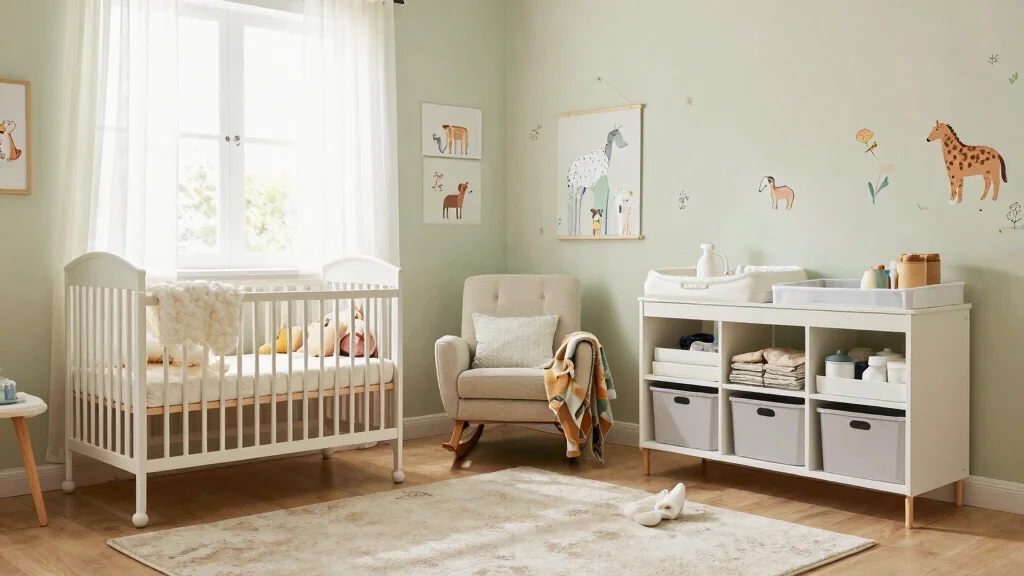
Creating a nursery is an exciting and joyful journey, but it can also feel overwhelming as you try to juggle all the details. With so many nursery layout ideas out there, it can be challenging to figure out what works best for your space. Whether you’re working with a cozy corner in a small apartment or a spacious room in a family home, this post aims to inspire you. You deserve a nursery that feels functional and nurturing, tailored to your family’s needs.
If you’re an expectant parent or someone looking to refresh a nursery, this guide is for you. You care about creating a beautiful, comfortable, and safe environment for your little one. You might also be curious about clever ways to arrange nursery furniture or discover small nursery design tips that can make a big difference. In this post, you will find 13 creative nursery layout ideas that address various room sizes and furniture arrangements. These ideas are practical, stylish, and perfect for making the most of your space.
From space-saving nursery ideas to multifunctional furniture arrangements, you’ll come away with actionable tips that will help you create a warm and inviting nursery. You will also explore playful color schemes and unique storage solutions that can fit seamlessly into your design. With this comprehensive guide, you can turn your vision of a dream nursery into a reality.
Key Takeaways
– Discover 13 unique nursery layout ideas that cater to different room sizes, ensuring you find inspiration no matter your space constraints.
– Explore space-saving nursery ideas and multifunctional furniture arrangements that maximize your available area, making your nursery both stylish and practical.
– Learn about playful color schemes that can influence the mood of the room, giving your nursery a vibrant and welcoming atmosphere.
– Find out how wall-mounted storage solutions can keep your nursery organized while saving precious floor space.
– Gain insights into creating a cozy reading nook and other personalized touches that can make the nursery feel special for both you and your child.
Recommended Products

❤ FAIRY DECORATION: Perfect accessory to transform baby kid's room. Hanging upside of the baby bed with beautiful decoration such as nightlight, dreamcatcher and feather boas, adding a piece of game pad and baby pillow toys, gives an instant touch of romance to the decor and DIY their owns’ room.

FABRIC: Crafted from 100% organic cotton. The soft jersey fabric is breathable and great for all seasons from fall/winter to spring/summer.

Perfect Fit for Standard Crib Size: This crib bed skirt is tailored to fit all standard crib and toddler mattresses measuring 28 x 52 inches, with a full 14-inch drop that conceals storage while adding a polished nursery look.
1. Corner Crib for Small Spaces
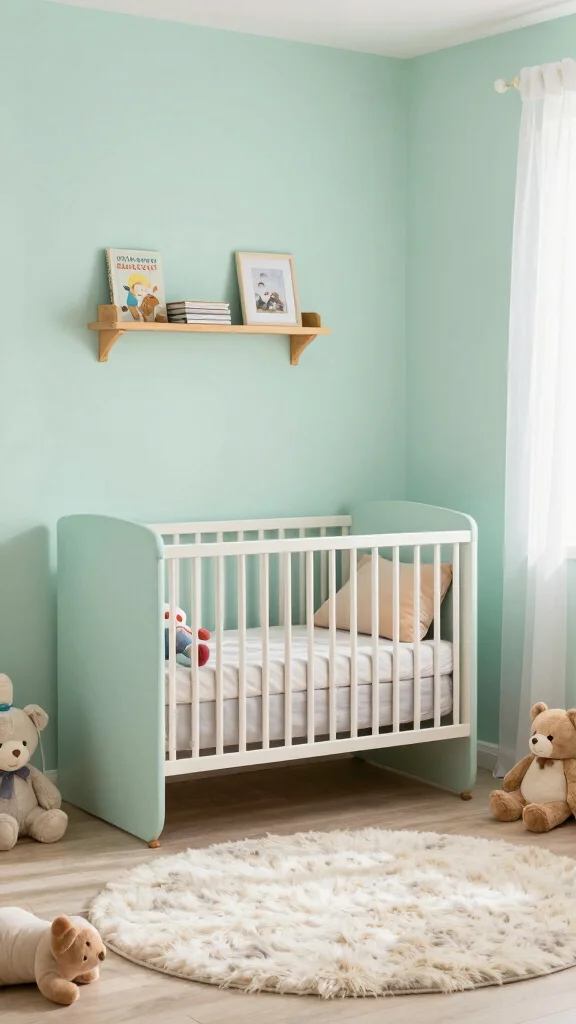
A corner crib is an excellent way to optimize space in a smaller nursery, providing an inviting layout that feels open and airy. This design uses an underutilized corner, offering a cozy sleeping area while keeping the center of the room free for play. A rounded crib can fit snugly into the corner, creating a harmonious flow without sacrificing style.
To enhance this space-saving solution, think about using soft, light colors to make the room seem larger and more inviting. You can also incorporate a small play area in the center, ensuring your little one has a safe space to explore.
Consider these tips to maximize your corner crib layout:
– Add Floating Shelves: Use walls effectively by adding floating shelves for books and toys.
– Choose Light Colors: Make the room feel larger with soft, light color schemes.
– Incorporate a Play Area: Leave some space in the center for a small, soft rug where your baby can play.
With this layout, your nursery can grow alongside your child, easily transitioning from a serene baby space to a fun area for toddlers.
Recommended Products
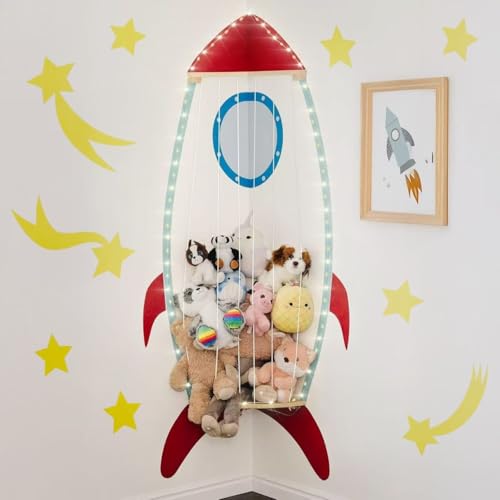
PREMIUM NURSERY FURNITURE SOLUTION: Transform messy corners into a tidy haven with this hanging nursery organizer. Designed as a functional piece of nursery furniture, it keeps plush collections, swaddles, and baby blankets organized and elegantly displayed.

Premium Quality & Durable Construction - Made from high-quality, breathable non-woven fabric with reinforced stitching. Sturdy bottom and front supports ensure long-lasting durability even under heavy loads.

Double-Layer Hanging Organizer –Features a practical double-layer design with 7 pockets total: a large fabric pouch + two small fabric pockets on top, and a large pouch + three breathable mesh compartments below. Perfect for organizing all your essentials and keeping your space neat and tidy.
Corner Crib for Small Spaces
Editor’s Choice

Carter’s by DaVinci Colby 4-in-1 Convertible Mini Crib with Trundle Draw…
 Amazon$249.00
4 Pcs Nurse Costume Accessories for Women, Halloween Cosplay Kit with Wh…
Amazon$9.99
Washable Rugs 5×7 Area Rugs for Living Room,Bedroom,Dining Room- Ultra S…
Amazon$39.982. Multifunctional Furniture Arrangement
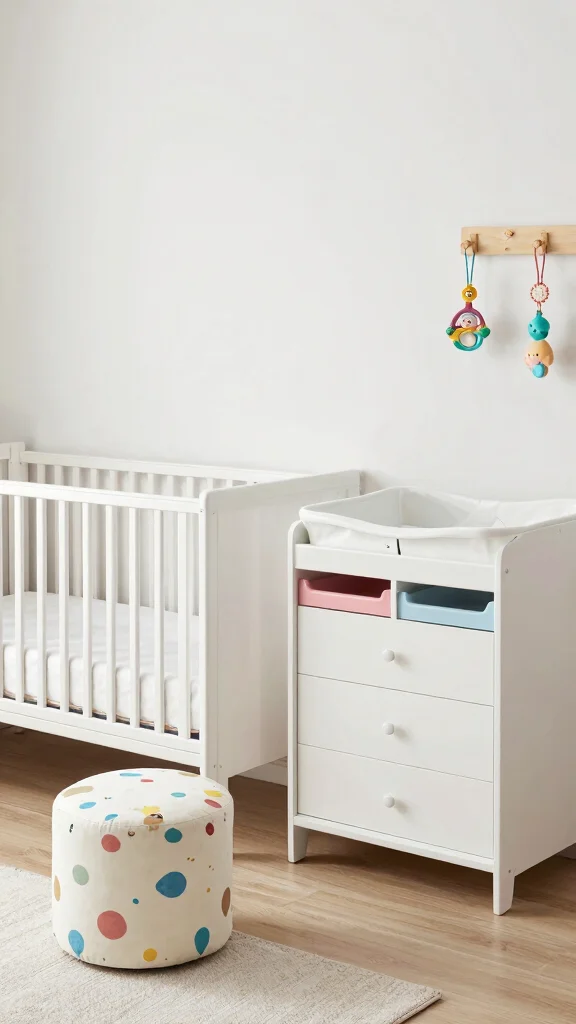
When space is limited, multifunctional furniture can be your best friend. A crib that converts into a toddler bed or a changing table with integrated storage can save valuable space while serving multiple purposes. This arrangement ensures that your nursery is not only functional but also stylish.
By choosing furniture that serves dual roles, you can enhance the efficiency of your nursery while keeping it organized. Look for budget-friendly options that offer storage solutions without breaking the bank.
Consider these ideas to make the most of multifunctional furniture:
– Storage Ottomans: Use ottomans that can be opened for toy storage.
– Convertible Cribs: Opt for cribs that grow with your child, making them usable for several years.
– Compact Changing Tables: Select a changing table with drawers or shelves for easy access to essentials.
This approach not only maintains a tidy look but also creates a space that adapts to your family’s needs.
Fun fact: A crib that converts to a toddler bed saves you valuable space in a small nursery—often 20+ square feet. Pair it with a changing table with built-in storage, and you’ll gain organization—perfect for your nursery layout ideas.
Recommended Products

High-Quality Wood: Crafted from premium hardwood, our wall-mounted bookshelf ensures durability and a long-lasting finish, making it a reliable addition to any child's room

Perfect Size for Nurseries: Each shelf measures a convenient 16.5 inches in length – ideal for books, toys, and decorative items.

SAFE & STURDY NURSERY BOOKSHELF This Book Shelf for Kids Rooms Reinforced wall-mounted design with beads. Perfect for organizing kids' books, toys, and decor in nursery/playroom
Dimensions & Size Guide
Standard Sizes & Measurements:
When planning your nursery, understanding standard sizes for furniture and space is crucial. Here are some common dimensions that will help guide your design choices:
– Cribs: The standard crib size is 28 inches wide by 52 inches long. Ensure there’s at least 30 inches of space around the crib for safety and movement. A crib can fit snugly against a wall but needs to be accessible from both sides for easy access.
– Changing Tables: Most changing tables are around 36 inches high and 30-36 inches wide. Ideally, leave at least 18 inches of clearance in front for easy diaper changes.
– Dressers: Standard dressers are typically 30-36 inches tall and 45-60 inches wide. Leave about 2-3 feet of space in front to allow for easy access.
– Gliders or Rockers: These chairs often measure about 30 inches wide and 30-36 inches deep. Make sure to position them at least 12-18 inches away from any walls to allow for comfortable rocking.
– Storage Units: Tall storage units can range from 48 to 72 inches high. They should have a depth of 12-18 inches. Ensure they are anchored securely to the wall for safety, especially in a nursery setting.
Quick Reference Table:
Size/Dimension – Best for: [use case], Minimum space needed: [measurement]
– Crib (28″ x 52″) – Best for: Sleeping area, Minimum space needed: 30″ clearance around
– Changing Table (36″ high) – Best for: Diaper changes, Minimum space needed: 18″ clearance in front
– Dresser (30-36″ tall) – Best for: Clothing storage, Minimum space needed: 2-3 feet in front
– Glider (30″ wide) – Best for: Comfortable seating, Minimum space needed: 12-18″ away from walls
– Storage Unit (48-72″ tall) – Best for: Organizing supplies, Minimum space needed: Wall anchoring for safety
Space Planning Tips:
When planning your nursery layout, keep these space planning tips in mind:
1. Measure Your Room: Use a tape measure to get the exact dimensions of your nursery. Write down the length and width of the room to avoid guesswork.
2. Create a Floor Plan: Draw a simple layout of your room on graph paper or use an online room planner. This will help you visualize where to place your nursery furniture.
3. Leave Enough Walking Space: Aim for at least 24-30 inches of walking space around furniture. This ensures you can move safely, even with a baby in your arms.
4. Avoid Clutter: Don’t overcrowd the space. Choose multifunctional furniture, like a changing table that doubles as a dresser, to save room and reduce clutter.
5. Check Door and Window Access: Ensure that furniture placement does not block doors or windows. This is important for safety and natural light.
Pro Tip: The most critical measurement to consider is the clearance around the crib. You want to ensure that you have at least 30 inches of space around it for safe access. This allows you to easily reach your baby without bumping into furniture, making nighttime feedings and diaper changes much easier!
By understanding these measurements and applying practical tips, you can create a nursery layout that is safe, functional, and stylish. Happy decorating!
Recommended Products

Practical Design: our crib skirt features openings at the 4 corners, ensuring complete scalloped edges on all 4 sides when in use; This careful detailing makes it not just practical, but an attractive asset that enhances the aesthetic appeal of your baby's decor

100% Organic Cotton: Keep your newborn perfectly comfortable all night. 100% GOTS certified fabric acts as a soothing layer against delicate skin. These breathable baby bed sheets help prevent overnight discomfort and sweat.

Perfect Fit for Standard Crib Size: This crib bed skirt is tailored to fit all standard crib and toddler mattresses measuring 28 x 52 inches, with a full 14-inch drop that conceals storage while adding a polished nursery look.
Multifunctional Furniture Arrangement
Editor’s Choice

Baby Changing Table with Storage,Heavy-Duty Diaper Changing Station, Whi…
Amazon$129.00
Dream On Me Classic Design Toddler Bed In Steel Grey, Greenguard Gold An…
Amazon$52.61
SONGMICS Mazie Collection – Storage Ottoman Bench, Foldable Foot Rest, 1…
Amazon$38.683. Playful Color Schemes
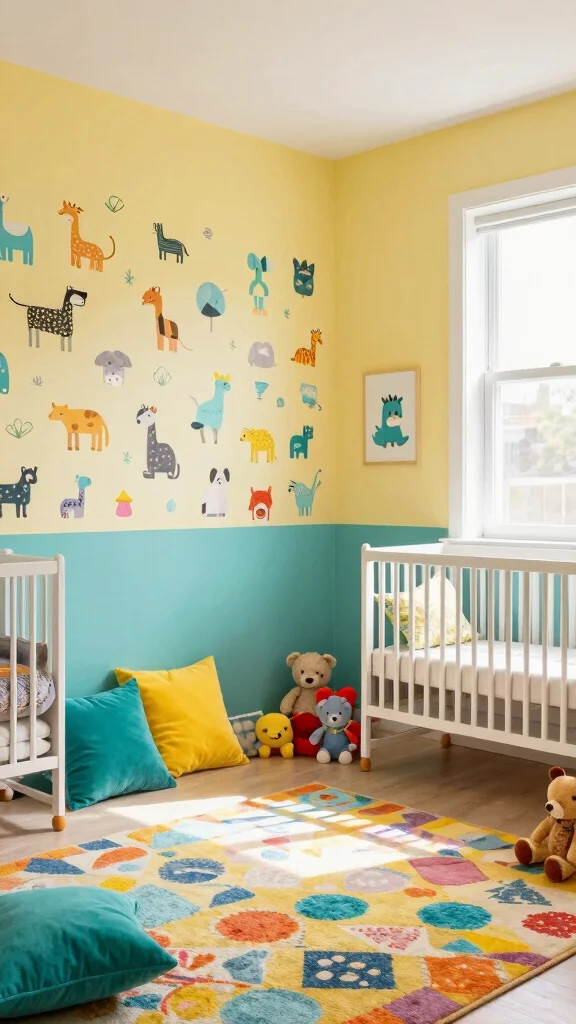
Color is essential in crafting a lively nursery atmosphere. Embracing playful color schemes can ignite joy and stimulate your baby’s senses. Instead of sticking to soft pastels, consider bold colors or even a dynamic color block design to create an engaging environment.
To make the most of these vibrant choices, think about incorporating two-tone walls or playful wallpaper that features whimsical patterns. Bright accessories can also add fun pops of color throughout the space.
Here are some creative ways to implement playful colors:
– Two-Tone Walls: Paint the upper half of the wall in a soft color while the lower part can be a bright, fun color.
– Accent Walls: Create an accent wall with playful wallpaper featuring animals or geometric shapes.
– Colorful Accessories: Incorporate pops of color through toys, rugs, and cushions for a lively vibe.
This joyful atmosphere will uplift the nursery, encouraging exploration and creativity as your child grows.
Fun fact: babies notice high-contrast colors up to 4x faster than pale tones. Use two bold color blocks on feature walls to quickly create playful zones—a practical trick for smart nursery layout ideas. Pair with two-tone walls for added depth.
Recommended Products

Ample Storage Space: 5-tier bedroom storage measures 52.3"x 13.8"x 5.5". Features 5 roomy pockets and 10 mesh side pockets. The see-through mesh on each pocket ensures you find what you need effortlessly

Big Capacity: The baby bow holder is designed to neatly accommodate up to 40 headbands, providing an efficient solution for your hair accessories organizer needs. It can clearly displayed, freeing up space in the drawer, keeping it neat and tidy and allowing you to find hairbands exactly where you want them

Ample Storage Space: 4-tier bedroom storage measures 42.5"x 13.8"x 5.5". Features 4 roomy pockets and 6 mesh side pockets. The see-through mesh on each pocket ensures you find what you need effortlessly
Playful Color Schemes
Editor’s Choice

Green Forest Tree Mountain Range Framed Canvas Wall Art, Watercolor Natu…
Amazon$85.99
Reginary 4 Pcs Flower Floor Pillows Cute Plush Flower Throw Pillows Dais…
Amazon$21.99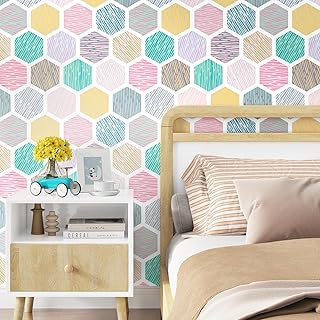
WESTICK Colorful Peel and Stick Wallpaper Hexagon Geometric Wallpaper Bo…
Amazon$16.144. Wall-Mounted Storage Solutions
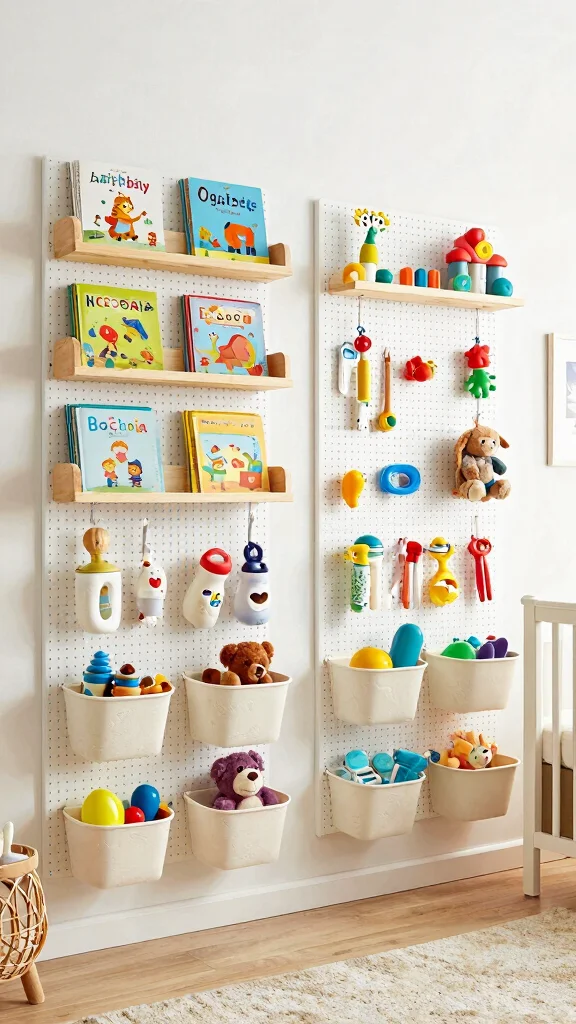
Maximizing vertical space is a smart strategy in small nurseries. Wall-mounted storage solutions can help declutter the floor while keeping essentials organized and easily accessible. Utilizing shelves, hooks, and baskets can streamline your nursery setup effectively.
By creatively using wall space, you can maintain a tidy environment while adding a decorative touch. These solutions can also be found at various price points, making it easy to find what works best for your budget.
Here are some clever storage ideas to consider:
– Wall Baskets: Hang decorative baskets on the wall for easy access to toys and books.
– Pegboards: Install a pegboard to hang various items, from changing essentials to lightweight toys.
– Floating Shelves: Use floating shelves for books, keeping them visible and accessible.
This arrangement maintains a playful, artistic vibe while ensuring everything has its place.
Recommended Products

[Functional Kid's Shelves] - These floating shelves add both style and storage functionality to any nursery or kids' room, making them a great addition to your home decor. In addition, they can be used upside down, with hangers for children's clothing storage.
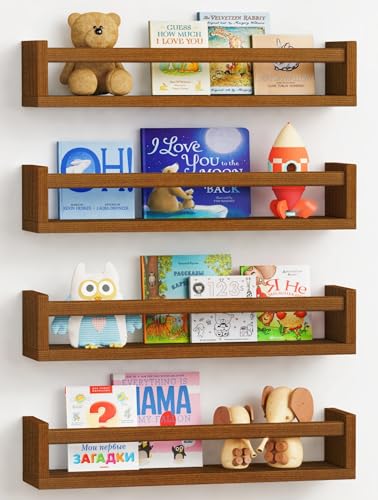
[Great for Nursery and Kids Room] Wall Mounted nursery bookshelf on your kid’s room wall, Kids can stow books, toys, stuffed animals and games in dark wood wall shelves, where they’ll be off the floor and easy to reach.

[Ideal for Nursery and Kids Room] Mount these 24 Inch floating shelves on your nursery wall, Kids can stow coloring books, toys, stuffed animals and games in wall shelving, where they’ll be off the floor and easy to reach.
Wall-Mounted Storage Solutions
Editor’s Choice

Pegboard Combination Kit, 8 Peg Boards and 30 Accessories Modular Hangin…
Amazon$61.99
upsimples Acrylic Shelves for Wall Decor, 15″ Display Shelf Perfume Orga…
Amazon$19.99![4 Set [EXTRA LARGE] Hanging Wall Mount Storage Baskets with Adhesive Hoo...](https://m.media-amazon.com/images/I/812qykSTCXL._AC_UL320_.jpg)
4 Set [EXTRA LARGE] Hanging Wall Mount Storage Baskets with Adhesive Hoo…
Amazon$26.995. Cozy Reading Nook
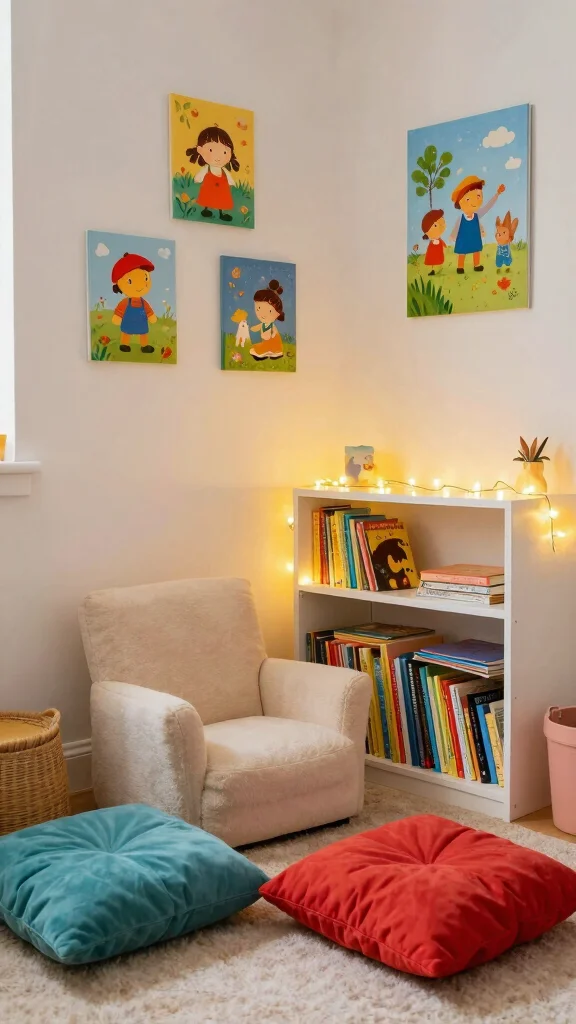
Designing a cozy reading nook can add a delightful touch to your nursery, fostering a love for books from an early age. You don’t need a large space; a small corner can be transformed into a charming reading area.
For a perfect nook, think about incorporating soft seating options like a plush bean bag or comfortable floor cushions. A low bookshelf allows your child to easily reach and select their favorite stories.
Consider these elements to create an inviting reading corner:
– Soft Seating: Add a small bean bag chair or plush floor cushions where your child can snuggle up with a book.
– Mini Bookshelves: A low bookshelf makes it easy for little hands to reach and select their favorite books.
– Gentle Lighting: Include a small lamp or fairy lights to create a warm atmosphere for reading.
This special area will inspire a love for stories, making your nursery feel even more unique and inviting.
Recommended Products

Adjustable Height: Designed for parents of different statures, our changing table provides 4 levels of adjustment. Whether diapering or baby care, you can easily find a comfortable height and reduce back strain

Patent Design and Safety Materials: USPTO Patent Approved and BOLUO baby dresser are tested at third-party,accredited laboratories to meet or exceed all applicable category voluntary and mandatory safety standards

Adjustable Height: Our changing table features a 4-level adjustable height design, ideal for parents of all sizes. It helps avoid muscle strain from bending or kneeling, making baby care a more comfortable and effortless experience.
Cozy Reading Nook
Editor’s Choice

Humble Crew 4-Tier Kids Bookshelf, Grey Wood/Pink – Premium Book Shelf f…
Amazon$23.59
Fluffy Bean Bag Chair for Kids, 2.5FT Round Memory Foam Filled Bean Bag …
Amazon$37.98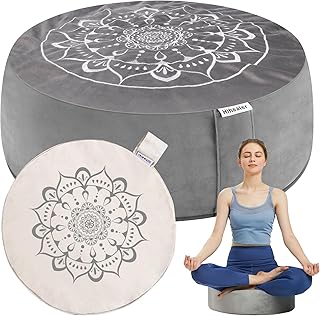
Hihealer Meditation Cushion, Traditional Tibetan Meditation Pillow Velve…
Amazon$35.996. Minimalist Design
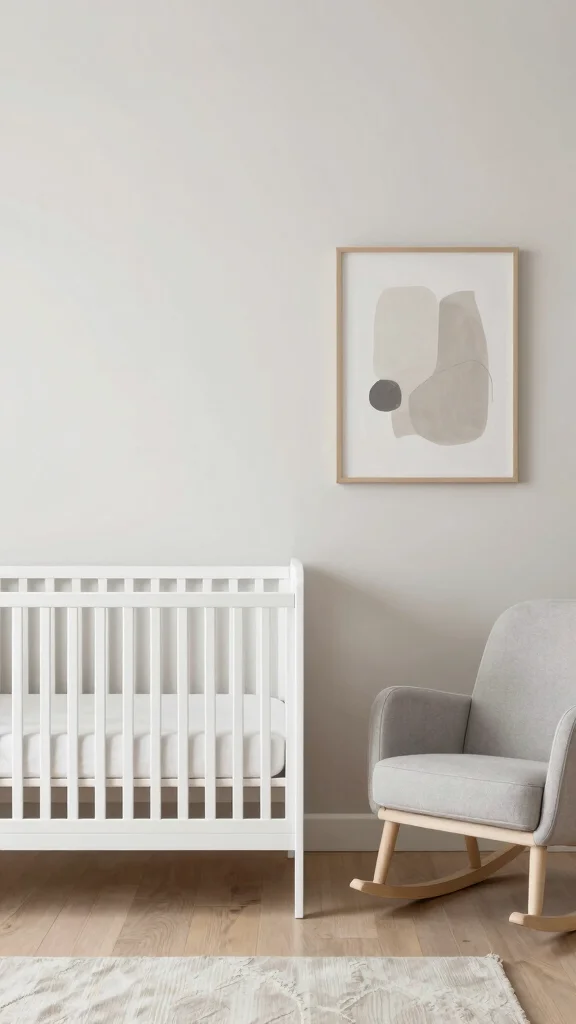
Embracing a minimalist nursery design can create a calming environment for both you and your baby. By focusing on essential items and choosing standout pieces, you can achieve a serene, uncluttered space.
To cultivate a minimalist aesthetic, opt for a neutral color palette and functional furniture that avoids unnecessary embellishments. Keeping surfaces clear and organized will also contribute to a peaceful atmosphere.
Here are some tips for achieving a minimalist look:
– Neutral Palette: Stick to a neutral color palette with soft whites, grays, and pastels.
– Functional Furniture: Select furniture that is sleek and functional, without unnecessary embellishments.
– Clutter-Free Spaces: Keep surfaces clear and organized, using hidden storage solutions for toys and necessities.
This layout promotes a calm atmosphere, perfect for peaceful bonding moments and gentle resting times.
Minimalist design turns a nursery into a calm, practical space. Start with a neutral palette and one standout piece, then keep surfaces clear—these nursery layout ideas make room for rest, play, and precious moments with baby.
Recommended Products
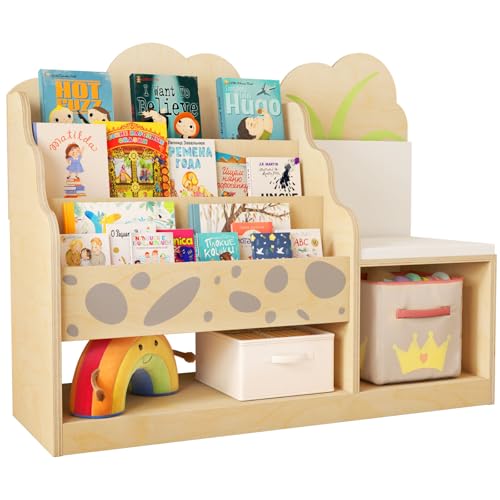
4-IN-1 STORAGE SOLUTION: This multifunctional kids bookshelf and toy storage organizer combines a 3-tier bookshelf, 2 bottom storage cabinets, a padded reading chair, and a backside play area. It offers ample space for all your child's favorites—from storybooks, comics to building blocks, cars, dolls and more—keeping the room tidy while helping children develop good tidying habits

Playful Organization - Make Tidying Fun: ZICOTOs’ portable kids bookshelf is a tidy-up champ! With dimensions of 17.7x13.7x13.5”, it holds up to 15-20 books and also keeps small toys and knick-knacks in order, ensuring your nursery or playroom stays neat and inviting

Spark Your Child's Imagination: The built-in reading nook with a cozy cushioned bench creates the perfect spot for your little one to curl up with their favorite stories. At just 39.4 inches wide, this 3-in-1 bookshelf fits where larger units won't, making it ideal for small playrooms, bedrooms, and nurseries
Minimalist Design
Editor’s Choice

Delta Children Heartland 4-in-1 Convertible Crib – Greenguard Gold Certi…
Amazon$117.99
Peryiter 3 Pcs Modern Minimalist Wall Decor Abstract Metal Wall Art Meta…
Amazon$23.99
Rocking Chair Nursery Teddy Upholstered Glider Rocker Rocking Accent Cha…
Amazon$89.887. Nature-Inspired Themes
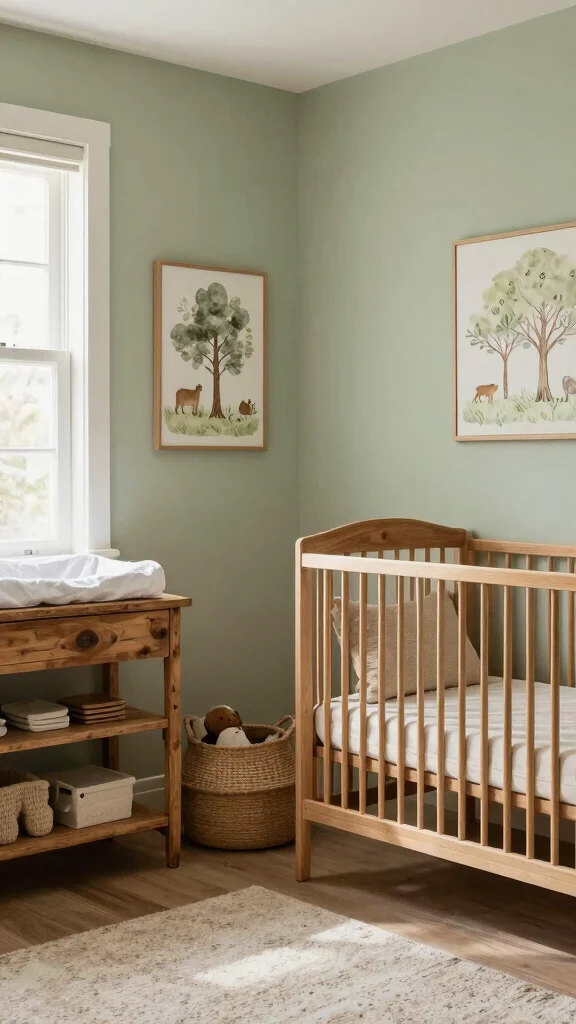
Infusing your nursery with elements of nature can create a tranquil and organic setting. A nature-inspired theme is ideal for parents who want to cultivate a love for the outdoors from the very beginning.
To achieve this soothing theme, consider using natural materials like wood and wicker for furniture, along with earthy colors like greens and soft blues. Botanical prints or animal illustrations can add an enchanting touch to your decor.
Here’s how to create a nature-inspired atmosphere:
– Natural Materials: Use wood and wicker for furniture, keeping it rustic yet charming.
– Earthy Colors: Incorporate greens, browns, and soft blues to bring the essence of nature inside.
– Nature Prints: Decorate with botanical prints or animal illustrations for an enchanting touch.
This theme fosters tranquility and encourages your child’s imagination as they grow.
Recommended Products

Spacious Storage & Changing Table: Measuring 56.5"L × 19.3"W × 40"H, this baby dresser features 7 spacious drawers offering ample storage for diapers, wipes, baby clothes, and other essentials. The removable changing table on top creates a convenient and practical care area.

【Baby Vanity With Changing Table】- This baby changing table measures 43.3"W x 15.7"D x 32.6" H,It is equipped with a diaper changing station,Can be used as a dressing table for baby rooms,The top cover is designed to be detachable,When your baby no longer needs to change diapers when they grow up,It can be used as a regular dressing table and storage cabinet in the living room or bedroom,Combining practicality and aesthetics.

Safety Tested & Standard Compliant: This diaper changing station has been independently tested by a CPSC‑accredited laboratory and meets applicable U.S. safety requirements for infant changing products. Built with durable, child‑safe materials and designed with smooth edges and sturdy construction for dependable daily use (no pad included).
Nature-Inspired Themes
Editor’s Choice
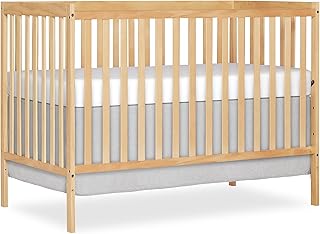
Dream On Me Synergy 5-in-1 Convertible Full-Size Baby Crib with Toddler,…
Amazon$126.51
StorageWorks Wicker Basket, Baskets for Organizing, Storage Basket with …
Amazon$44.998. Personalized Touches
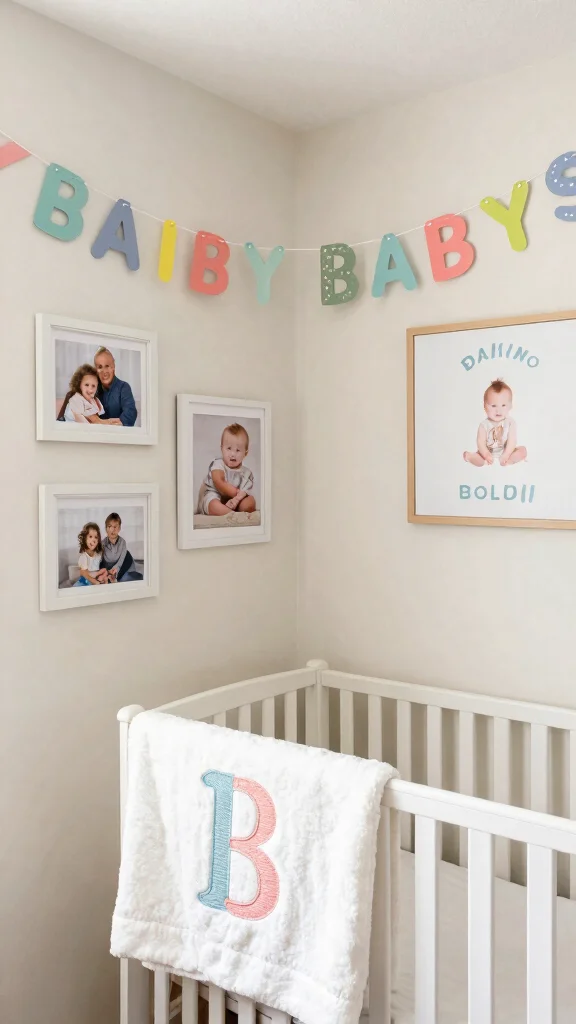
Infusing your nursery with personalized touches can turn it into a unique space that reflects your family’s style. From custom wall art to monogrammed blankets, these elements celebrate your little one’s arrival and add a special charm.
You can easily incorporate personalization into your decor with thoughtful details that make the nursery feel uniquely yours. These touches can also create lasting memories for you and your child.
Here are some ideas for adding personalization:
– Name Banners: Create a banner with your baby’s name in playful fonts and colors.
– Custom Storybooks: Include books featuring your child’s name for more engaging storytime experiences.
– Personalized Art: Commission an artwork piece showcasing your baby’s birth date or meaningful quotes.
These personal touches enhance your decor while making the nursery a cherished space for years to come.
Personalized Touches
Editor’s Choice
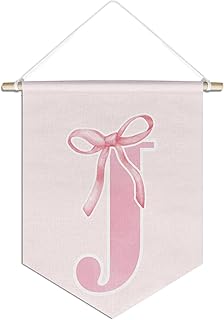
initial Personalized Preppy Canvas Hanging Pennant Flag Banner, Coquette…
Amazon$14.99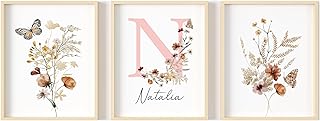
Personalized Wildflower Nursery Prints, Custom Floral Name Wall Art, Bab…
Amazon$27.98
Personalized Baby Blankets for Girls Women Custom Boho Style Baby Blanke…
Amazon$8.999. Creative Lighting Solutions
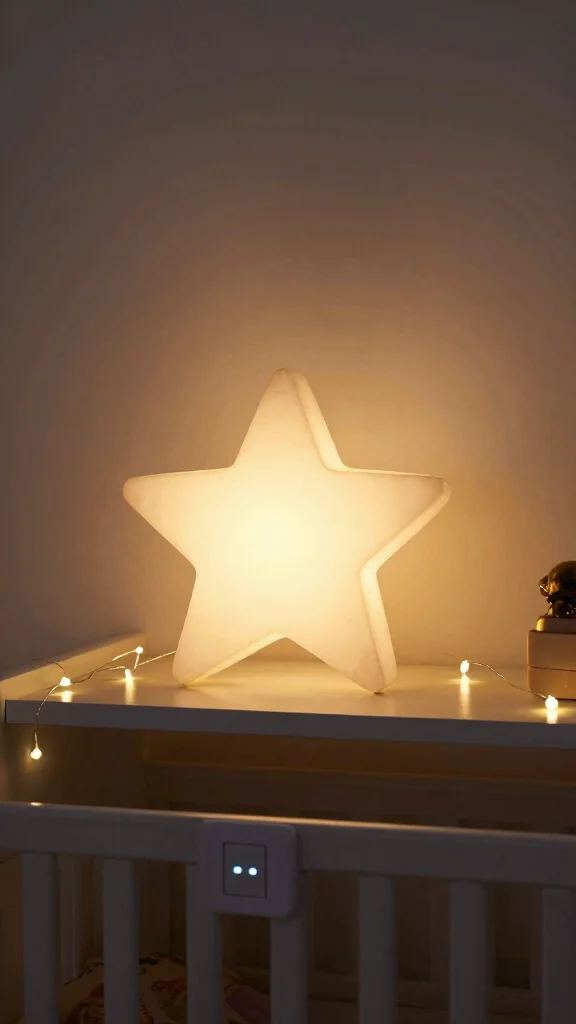
The right lighting can transform your nursery into a warm, welcoming haven. By combining ambient and accent lighting, you can create a cozy environment that feels just right for both day and night.
Think about incorporating dimmers for adjusting brightness and soft night lights for a soothing glow during nighttime feedings. Whimsical light fixtures can also add a touch of charm to your nursery decor.
Here’s how to enhance your nursery lighting:
– Dimmer Switches: Install dimmers to control the brightness according to the time of day.
– Soft Night Lights: Include soft night lights or fairy lights to create a soothing glow for nighttime feedings.
– Decorative Fixtures: Choose whimsical light fixtures that blend well with the nursery theme.
Creative lighting not only brightens the space but also contributes to an enchanting atmosphere in your nursery.
Creative Lighting Solutions
Editor’s Choice

Night Lights Plug into Wall Butterfly on Lavender Flower Night Light Dus…
Amazon$12.98
Cute Decorative Lights Fairy String Light Horse Gifts for Women Novelty …
Amazon$15.99
Purse Light Handbag Light Sensor Heart Shape Bag Illuminator Hanging Nig…
Amazon$9.9910. Nursery as a Multi-Use Space
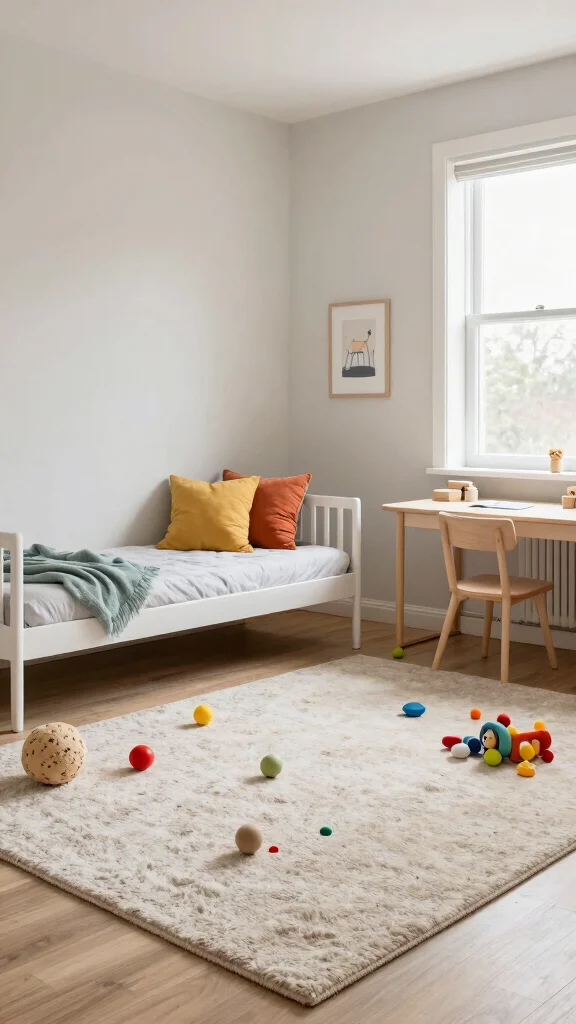
If you’re short on space, designing your nursery to serve multiple purposes can be a smart solution. This approach allows the nursery to adapt as your family grows, making the most of every square foot.
Think about incorporating a daybed for extra seating that can double as a sleeping area for parents or guests. You can also create a designated play area with soft rugs and toy storage, ensuring the space is both functional and fun.
Consider these ideas for a multi-use nursery:
– Daybed Arrangement: Include a daybed for comfortable seating that can double as a sleeping area for parents or guests.
– Play Area: Designate part of the space as a play area, with a soft rug and toy storage.
– Office Nook: If you work from home, carve out a small desk space in a corner.
This design ensures that your nursery can evolve with your family’s needs over time.
Nursery as a Multi-Use Space
Editor’s Choice

Upholstered Daybed and Trundle, Velvet Modern Button Tufted Twin Size Da…
Amazon$128.00
STARUIA Large 5×7 Area Rugs Washable Kids Rug for Girls Room, Cute Unico…
Amazon$62.99
Aquzee Pink Desk Hutch, 47in Woman Computer Desk with Bookshelf & Storag…
Amazon$179.0011. Unique Crib Placement

How you position the crib can greatly influence the flow and functionality of your nursery. Instead of opting for a traditional wall placement, try more creative configurations that add visual interest and maximize space.
Consider placing the crib diagonally in a corner for a modern twist, or even centering it in the room to create a stunning focal point. Situating the crib near a window can also invite natural light, creating a cheerful ambiance.
Here are some ideas for unique crib placements:
– Diagonal Placement: Position the crib diagonally in the corner for a modern touch.
– Center Stage: Place the crib in the center of the room, which can create a stunning focal point.
– Near a Window: Situating the crib near a window can let natural light in during the day.
Each of these placements enhances the overall feel of the space while providing delightful visual effects.
Unique Crib Placement
Editor’s Choice

3-Piece Tufted Ruffle Crib Bedding Set for Girls – Ultra Soft Baby Beddi…
Amazon$36.99
Christian Gifts for Women Nurse Canvas Wall Art Inspirational Religious …
Amazon$12.49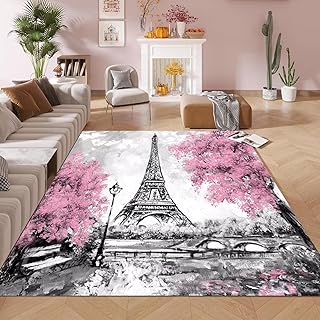
kxry 4 * 6 Feet Pink and White Paris Eiffel Tower Soft Area Rugs for Kid…
Amazon$39.9912. Customizable Décor
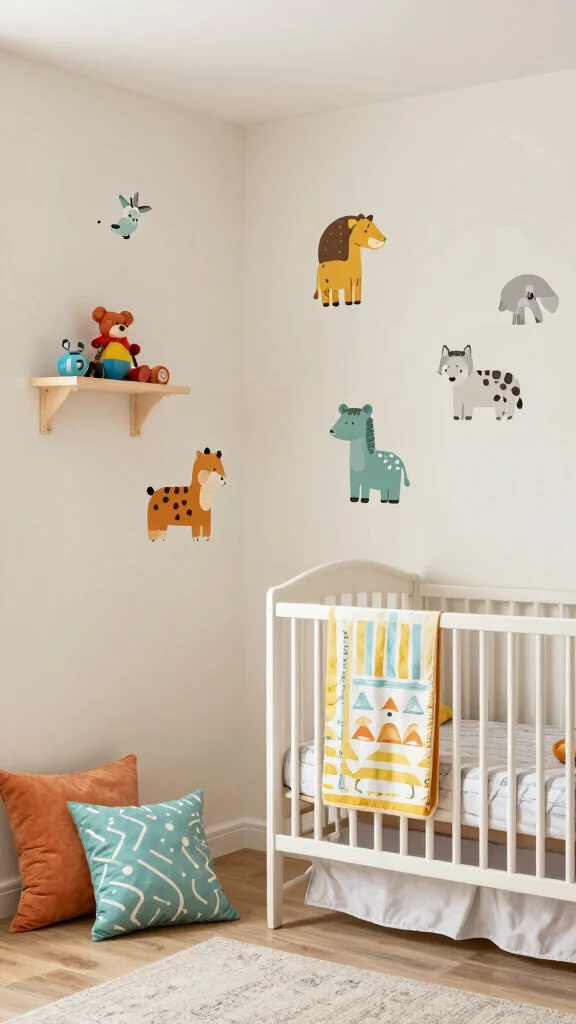
Customizable decor allows you to refresh your nursery’s look as your baby grows, keeping the space engaging and adaptable. This design approach helps you avoid the hassle of a complete overhaul while maintaining a stylish environment.
Consider using removable wall decals that can be easily swapped out as your child’s interests change. A neutral base color paired with colorful accents can also be updated with ease, making it simple to keep the decor feeling fresh.
Here are some customizable ideas:
– Removable Wall Decals: Use wall decals that can be easily removed or swapped out as your child’s interests change.
– Neutral Base Colors: Start with a neutral base and layer in colorful accents that can be easily updated.
– Interchangeable Bedding: Choose bedding sets that can be switched out seasonally.
This approach makes it easy to adapt the nursery to support the evolving needs of growing children.
Customizable Décor
Editor’s Choice
3-Piece Tufted Ruffle Crib Bedding Set for Girls – Ultra Soft Baby Beddi…
Amazon$36.99
Her Vibe is Pretty Wall Decal Decor Vivid Butterflies Wall Sticker Inspi…
Amazon$7.99
Christian God Says I am Self Affirmation Black Girl Decorative Throw Pil…
Amazon$7.4913. Thoughtful Textures
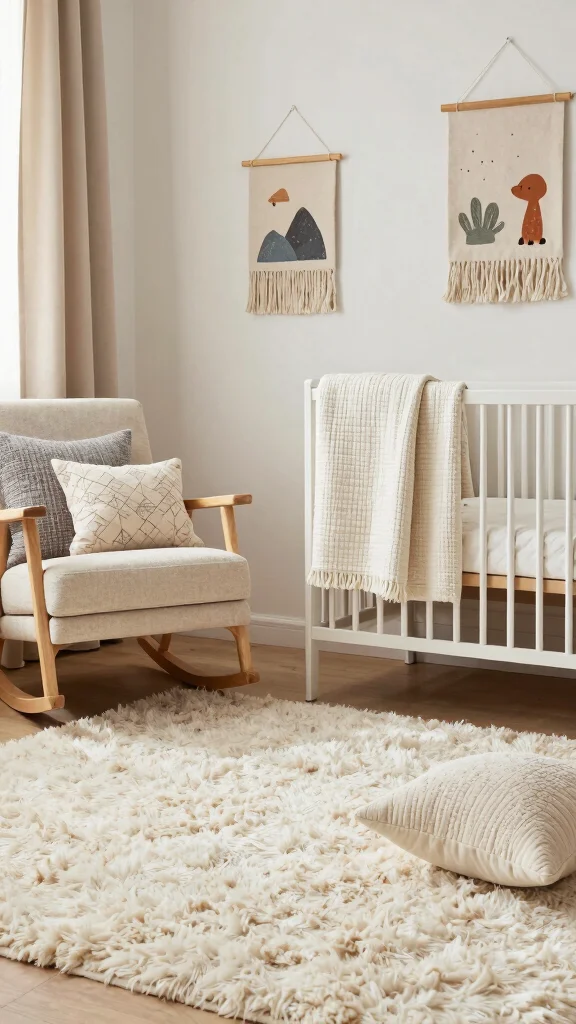
Incorporating varied textures into your nursery can add depth and tactile interest to the space. Mixing different materials creates a cozy atmosphere that invites exploration and comfort for your baby.
Consider using plush rugs that invite little feet to wander or layering fabrics in the crib to enhance the sensory experience. Textured accessories can also enrich the overall decor while making it visually appealing.
Here are some ideas to enhance texture:
– Soft Rugs: Use plush or textured rugs that invite little feet to explore.
– Bedding Layers: Layer different fabrics in the crib—such as a soft quilt, fluffy blankets, and cotton sheets.
– Textured Accessories: Incorporate textured pillows, wall hangings, or curtains to create visual interest.
Thoughtfully combining these elements will create an inviting atmosphere, making every visit to the nursery a delightful experience.
Thoughtful Textures
Editor’s Choice

Dusty Rose Pink Throw Pillow Covers 12×20 Inch Set of 2 – Christian Gi…
Amazon$12.99
Medium Tote Bag for Women with Multi Pockets, Quilted Top Handle Purse C…
Amazon$26.99
5×7 Soft Pink Washable Area Rug for Living Room & Bedroom, for Girls Wom…
Amazon$48.99Conclusion
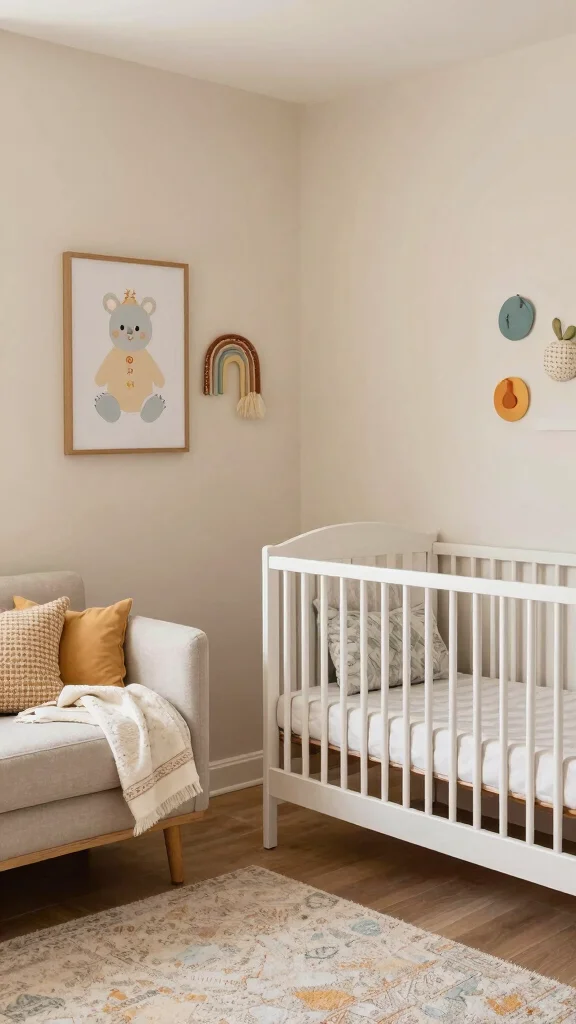
Designing a nursery can be one of the most exciting experiences of preparing for a new arrival. Each of these nursery layout ideas offers creative solutions for any room size, ensuring that every inch is utilized while keeping the space functional and beautiful.
Whichever idea resonates with you, remember that it’s all about creating a nurturing environment where your baby can thrive and grow. Embrace your personal style, and let your creativity shine in your nursery design journey.
Note: We aim to provide accurate product links, but some may occasionally expire or become unavailable. If this happens, please search directly on Amazon for the product or a suitable alternative.
This post contains Amazon affiliate links, meaning we may earn a small commission if you purchase through our links, at no extra cost to you.
Frequently Asked Questions
What are the best nursery layout ideas for a small room?
Start with a simple floor plan: measure the room, note door and window placements, and sketch two or three layout options. In small nursery design, create two zones: a sleeping/feeding area and a compact storage area. Choose multifunctional nursery furniture like a crib that converts into a toddler bed, a changing table that doubles as a dresser, and a compact glider. Place the nursery furniture arrangement to leave at least 3 feet of open space for movement around the crib and changing station. Utilize vertical storage: wall shelves, hanging organizers, and under-crib drawers to keep necessities within reach without crowding the floor. For color, consider light nursery color schemes (soft neutrals, blush, sage) to make the room feel bigger. These space-saving nursery ideas help you fit essential furniture while maintaining a calm, cohesive look.
How should I arrange nursery furniture for optimal space and flow?
Think in zones and scale. Start with the crib as a focal point, then place the changing station within easy reach but out of the main pathway. A tall dresser can double as a changing table with a contoured changing pad, saving space. Use wall-mounted shelves and hooks to keep essentials off the floor, and consider a small nursery design that uses multifunctional nursery furniture. Leave clear walkways (at least 2–3 feet) and rotate pieces as your baby grows. If you have a chair, pick a compact glider or rocker that can double as extra seating for feeding. With careful nursery layout ideas, the room stays functional and cozy.
What are practical space-saving nursery ideas I can implement quickly?
Prioritize built-in storage: tall bookcases, wall-mounted bins, and a changing station that doubles as a dresser. Use a crib with integrated drawers, or a dresser that converts into a changing table. Choose a compact glider and a small side table for feeding supplies. Opt for a cohesive nursery color schemes that keep the space feeling open. Use flexible pieces that can adapt as your child grows, aligning with small nursery design principles and nursery furniture arrangement that maximize function without clutter.
Which nursery color schemes help a small nursery feel bigger?
Soft neutrals, pale blues, creams and whites create airiness, while monochrome accents with a gentle contrast add interest without crowding the space. Pair light walls with a durable wallpaper or a corner with a bold accent that doesn’t overwhelm the room. Use color rhythm to guide attention to the main furniture and storage. For a calm, cohesive look, balance gentle nursery color schemes with space-saving nursery ideas and a nursery furniture arrangement that keeps the floor clear.
How can I plan a versatile nursery layout for different room sizes?
Start with a universal grid: measure, sketch a few layouts, and pick pieces that are compact and multifunctional. Choose multifunctional nursery furniture that can grow with your child, like a crib that becomes a toddler bed and a dresser that doubles as a changing station. Opt for modular pieces you can move or reconfigure as rooms change, and rely on vertical storage to save floor space. Tailor your nursery layout ideas to the specific room size, but keep the flow calm and the color scheme adaptable so your design can scale with small nursery design and future needs.
Recommended Products
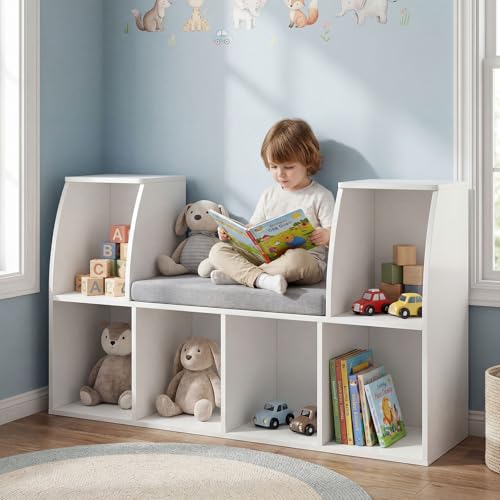
Ample Storage Space: Designed with 6 cubes in total, this reading nook for kids can hold various items range from books, toys to folding clothes, shoes and fabric drawers. 2 top wooden shelves offer you extra space for lamp or clocks, which can be placed next to kids bed as a nightstand.

Sturdy 360°Rotating Bookshelf - The spinning book shelf is built with a high-density MDF Board. Solid construction provides great stability and durability. Steel ball bearings rotating base let you easily spin it. Smooth and waterproof surface easy to clean.

Complete Reading Corner Decorating Kit: this Reading Corner set provides everything needed to create a dedicated reading space, Ideal for back-to-school home and classroom upgrades, this all-inclusive kit contains 1 kids bed canopy, 1 beanbag chair cover, 2 printed cushion covers and 1 floral cushion; It streamlines decoration work with cohesive styling, letting you build warm personalized reading nooks effortlessly for daycare, playrooms and kindergarten classrooms
Related Topics
nursery layout ideas
small nursery design
space-saving furniture
multifunctional furniture
nursery color schemes
modern nursery
easy arrangements
budget friendly nursery
minimalist nursery
cozy spaces
beginner friendly
decorating tips